
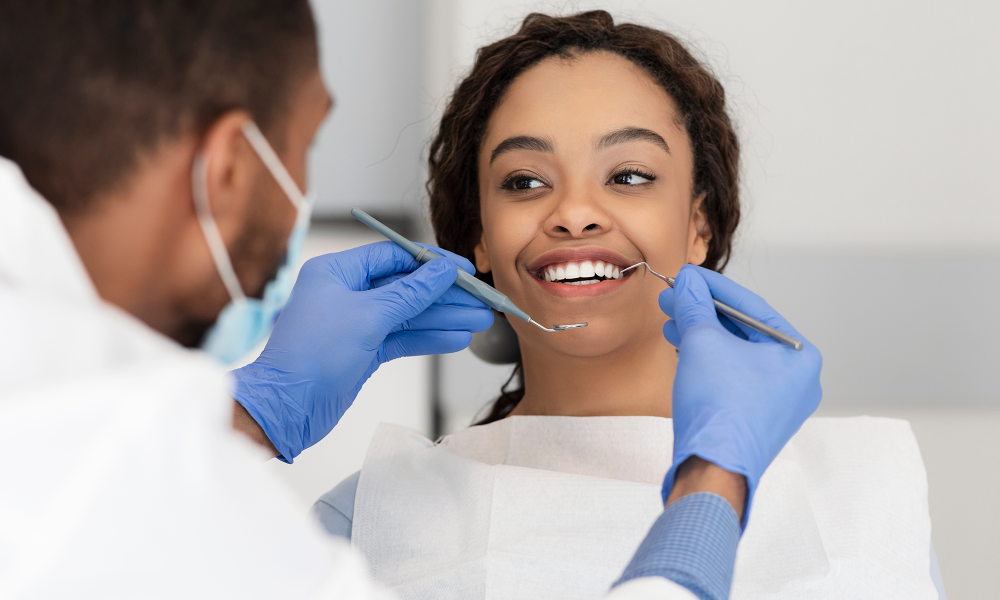

Why pediatric dental care should be preventive
Pediatric dental care is most effective when it begins before serious problems appear. Prevention is especially important in children because their teeth and jaws are still developing, and early intervention can influence both oral health and overall development.
The purpose of preventive pediatric dentistry is not only to treat disease, but to reduce the chance of its appearance in the first place. This includes regular examinations, professional hygiene, protective procedures, monitoring of bite development, and education for both the child and the parents.
By focusing on prevention, dentists can often identify small issues before they turn into painful or complicated conditions.
Understanding caries in children
Dental caries is one of the most common problems in pediatric dentistry. In children, it can progress quickly because primary teeth have thinner enamel and softer internal tissues than permanent teeth.
This means that even a lesion that looks small from the outside may already extend into deeper layers of the tooth. If not treated in time, caries can lead to pulp inflammation, infection, pain, and premature tooth loss.
Because children are still developing, untreated caries can affect more than one tooth. Infection may spread to neighboring teeth and, in some cases, even threaten the health of the developing permanent teeth beneath the gums.
Early signs parents should notice
Parents play an important role in early detection. A white chalky area, a yellowish mark, or a dark spot on the surface of a tooth should never be ignored. Even if the child does not complain of pain, these signs may indicate the beginning of tooth decay.
Sensitivity while eating, avoidance of chewing on one side, bad breath, or visible plaque buildup may also be warning signs. Since children do not always explain discomfort clearly, regular observation at home is very valuable.
However, home observation cannot replace professional examination. Some dental problems remain hidden without a proper clinical assessment.
How pediatric caries is treated
The method of treatment depends on how advanced the lesion is. In the earliest stages, the dentist may use remineralizing agents that help restore weakened enamel and stop further progression.
If the tooth has already developed a cavity, restorative treatment may be necessary. In pediatric dentistry, materials and methods are chosen with special attention to safety, comfort, and the child’s age.
The goal is not only to remove diseased tissue, but also to preserve the function of the tooth and protect the surrounding structures. Whenever possible, dentists try to save the tooth rather than remove it prematurely.
Why professional cleaning is important for children
Professional cleaning is often underestimated in pediatric care, but it plays a major role in prevention. Plaque is a bacterial film that contributes to tooth decay and gum inflammation, and it can accumulate even when children brush regularly.
Young children often lack the coordination needed for thorough brushing, while older children may brush quickly but not effectively. Professional hygiene helps remove deposits that remain in difficult areas and supports a healthier oral environment.
After cleaning, the dentist may recommend protective products or procedures to strengthen the enamel. These measures can be especially useful for children with a high caries risk or inconsistent home hygiene.
The connection between pediatric dentistry and bite development
Pediatric dentistry is not limited to decay prevention. It also includes monitoring how the teeth and jaws are growing. Bite development begins early, and even small changes in childhood can affect how the permanent dentition forms.
Problems such as crowding, spacing, crossbite, deep bite, open bite, or incorrect eruption patterns may become visible long before all permanent teeth appear. Habits such as thumb sucking, mouth breathing, and prolonged use of a pacifier can also affect jaw development.
That is why regular checkups are important not only for identifying decay, but also for observing whether the bite is developing normally.
Why preserving baby teeth helps prevent orthodontic problems
Primary teeth act as natural space maintainers. They guide the eruption of permanent teeth and help support balanced jaw growth. If they are lost too early, the teeth next to the empty space may drift, reducing the room available for the permanent tooth.
This can contribute to crowding, misalignment, and bite disturbances later on. In that sense, preserving baby teeth is not only a restorative goal, but also a preventive orthodontic strategy.
The decision to remove a primary tooth should therefore never be made lightly. Whenever there is a reasonable chance to keep it healthy and functional, preservation is usually the preferred approach.
How dentists help children feel comfortable
Comfort is one of the most important aspects of pediatric dentistry. A child who feels frightened or overwhelmed may resist treatment, even if the procedure itself is simple.
For this reason, pediatric dental care often begins with adaptation. The child is introduced to the environment, the instruments, and the dental team in a calm and age-appropriate way. Friendly communication, patience, and a non-threatening atmosphere can make an enormous difference.
When treatment is presented gently and positively, children are more likely to cooperate and less likely to develop long-term fear of dental care.
Why the first dental visits shape future attitudes
A child’s early experiences at the dentist often influence how they will feel about treatment later in life. If those visits are calm, respectful, and supportive, the child is more likely to accept dental care as a normal part of health.
If the experience is associated with fear, pain, or pressure, avoidance may develop and continue into adolescence and adulthood. This is why preventive visits before symptoms appear are so important. They allow children to become familiar with the dental setting without the stress of urgent treatment.
In many cases, the best first visit is one that is simple, educational, and positive.
When orthodontic evaluation may be needed
Children do not need braces at a very early age in every case, but they may still benefit from orthodontic observation. Some bite problems are best corrected while the jaws are still growing.
Early orthodontic intervention may involve removable appliances or other approaches designed for the mixed dentition stage. The exact timing depends on the type of anomaly and the child’s stage of development.
This is why pediatric dental checkups often include an evaluation of bite, jaw symmetry, and eruption sequence, even when the child has no pain.
Conclusion
Pediatric dental care is built on prevention, timely treatment, and careful attention to growth and development. Caries prevention, professional hygiene, preservation of baby teeth, and early monitoring of the bite all contribute to healthier long-term outcomes.
Just as importantly, pediatric dentistry helps children feel safe during treatment and form healthy attitudes toward oral care. When dental visits begin early and remain positive, children are more likely to grow into adults who value prevention, seek care in time, and maintain better oral health throughout life.
