

Losing a tooth is very common and can happen because of decay, injury, or gum problems. When a tooth is missing, replacing it is important. A replacement helps keep nearby teeth in position, supports your facial shape, and makes eating and speaking easier. Two common solutions for replacing missing teeth are dental implants and dental bridges. Each option has its own benefits and limitations, and the best choice depends on individual needs.
A dental bridge is a fake tooth that fills the gap left by a missing tooth. It stays in place by attaching crowns to the healthy teeth on either side of the gap, a procedure commonly performed at a professional dental clinic. Bridges are designed to blend in with natural teeth and can replace one or more missing teeth in a row.
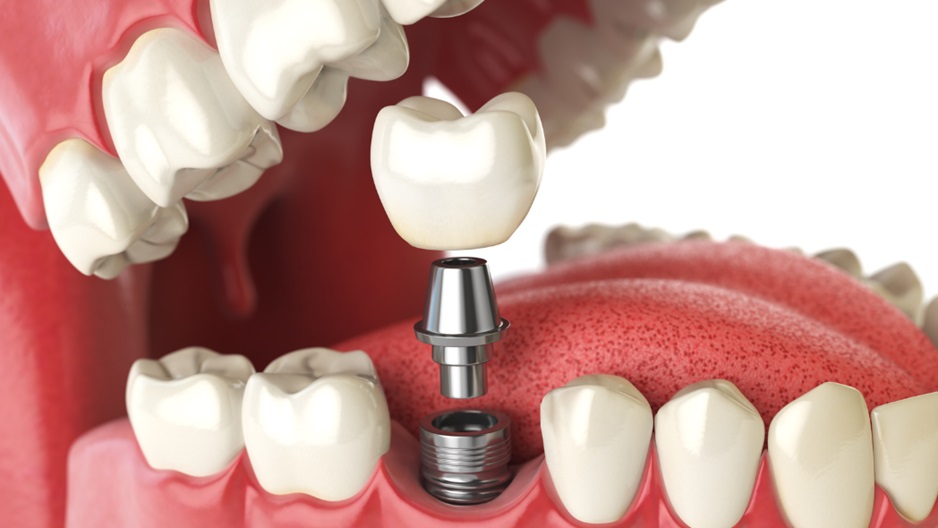
A dental implant replaces both the root and the visible part of the tooth. A small artificial root is placed into the jawbone, and over time, the bone grows around it. Once healed, a crown is placed on top, creating a strong and natural-looking tooth.
Advantages and disadvantages of dental bridges
Dental bridges are often chosen because they are quicker and usually cost less at the beginning. The procedure does not require surgery, and the bridge can be placed within a few weeks. Many people also find bridges more affordable, especially if insurance support is available.
However, bridges may need replacement after several years due to wear. They also rely on the surrounding teeth for support, which means healthy teeth may need to be reshaped. Over time, this can increase the risk of decay or damage to those teeth.
Advantages and disadvantages of dental implants
Dental implants are known for their strength and long lifespan. With regular care, they can last many years. They look very natural and do not affect nearby teeth. Implants also help maintain jawbone strength by preventing bone loss.
On the downside, implants involve surgery and take longer to complete. The healing process can take several months. They also usually cost more upfront and may not be suitable for people with certain health conditions or poor bone health.
Cost and time considerations
Dental bridges generally cost less initially and require fewer dental visits. Implants cost more at first, but because they last longer, they may be more cost-effective over time. If time is a concern, bridges offer a faster solution, while implants require patience for healing.
Choosing the right option
The right choice depends on several factors. If you are missing multiple teeth in a row, a bridge may be more practical. If you are in good overall health and want a long-lasting solution, an implant may be better. Budget, health conditions, and personal comfort also play important roles.
Other treatment options
Some people choose partial dentures, which can replace one or more missing teeth and are removable. Another temporary option is a space maintainer, which keeps nearby teeth from shifting until a permanent solution is chosen.
Final thoughts
Both dental implants and dental bridges are effective ways to replace missing teeth. Each option has unique advantages. A dental professional can examine your situation and help you choose the solution that best fits your health, lifestyle, and budget.
