
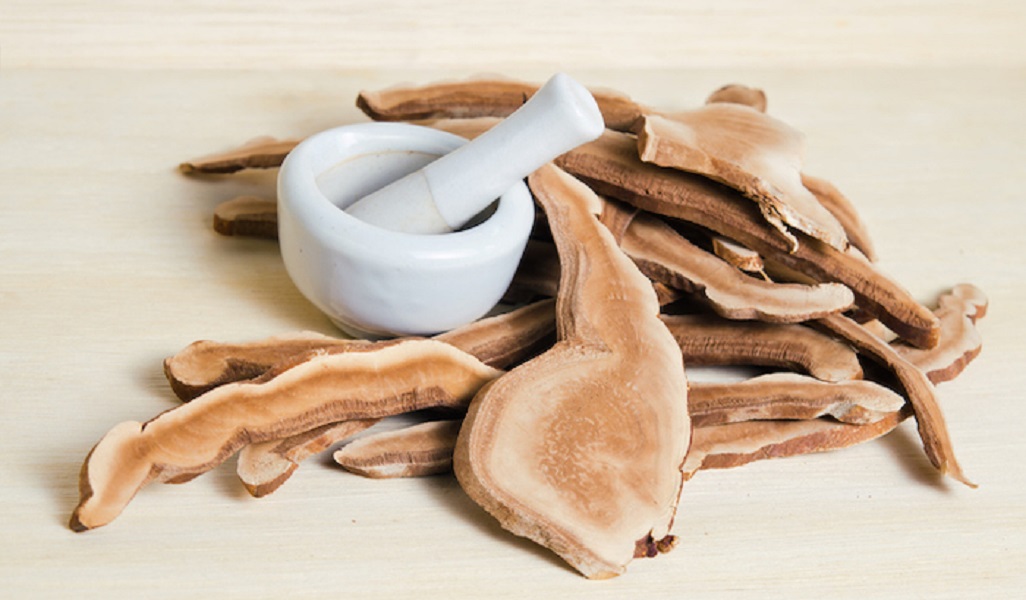

Bile duct cancer is a serious problem that is ranked highly in terms of its aggressive qualities and rate of recurrence. The traditional Chinese medicine has provided added therapies that are used alongside the conventional medicine to fire up the patients during their cancer treatment journey. This article discusses the ways in which traditional chinese medicine for bile duct cancer (膽管癌 中醫) can be applied to beneficially help individuals in terms of supported care and better quality of life.
The importance of Traditional Chinese medicine to bile duct cancer patients
Scientific evidence supporting TCM for bile duct cancer
In recent studies, it has been found out that most of the traditional Chinese medicines have encouraging anti-tumor properties against certain types of cancers such as cholangiocarcinoma. The benefits of these medicines are that they are cheap, and they have a lot of availability thus they are available as a complementary therapy. The major scientific discoveries in the TCM applications are as follows:
- Anti-tumor mechanisms: Some of these TCM preparations are able to inhibit tumor growth by promoting cell apoptosis and inhibiting cell cycle development in cancer cells.
- Clinical trial validation: TCM therapeutics with particular formulations have demonstrated efficacy which has been scientifically validated by clinical trials in the hepatobiliary system cancers.
- Liver protection: There are certain TCM preparations with hepatoprotective properties due to the ability to recover the redox systems, intestinal flora, and energy metabolism.
- Complementary approach: TCM is said to be a safe and effective complementary therapy in the treatment of cholangiocarcinoma with conventional medicine.
Managing treatment side effects
Chemotherapy and radiation used in the treatment of cancer may have great side effects causing low quality life. TCM provides proactive nursing interventions to deal with these issues. The following are the supportive advantages of TCM:
- Chemotherapy side effect management: Therapies of TCM have demonstrated excellent management of gastrointestinal irritation, bone marrow depression, and neurotoxicity resulting from cancer therapy.
- Digestive recovery: Herbs, such as ginger, are used to control the digestive system, reignite appetite and enhance the gastrointestinal system following cancer treatments.
- Nausea relief: Acupuncture at certain points has a significant decrease in nausea caused by chemotherapy, and increases gastric motility.
- Peripheral neuropathy support: Chinese herbal medicine treatment may have a supportive role in the treatment of peripheral neuropathy induced by chemotherapy.
Post treatment recovery support
Once patients are off active cancer treatment, they are usually having problems with the recovery process. TCM offers full-time care in this vital aftercare period. The following are the recovery benefits offered by TCM:
- Immune modulation: TCM therapies target enhancing the body immune system as well as destroying pathogenic elements.
- Sleep improvement: The calming effect of the heart and the liver via TCM methods can enhance the quality of sleep along with mental concentration.
- Inflammation reduction: TCM formulas have the potential of decreasing inflammatory reactions by regulating major signaling pathways.
- Energy restoration: Some of the herbs such as ginseng are traditionally known to restore vital energy and make the person feel brighter.
Integration with conventional care
Effective incorporation of TCM in the routine oncological therapy needs excellent coordination and well-trained personnel. The considerations which are most vital in integrating them are these:
- Complementary role: The major benefit of TCM is to control the side effects of treatments and enhance the quality of life to enable them to tolerate conventional treatment regimes better.
- Full disclosure requirement: The TCM practitioners should be aware of full oncology diagnosis and all conventional modalities of treatment in order to ensure safe treatment.
- Qualified practitioner essential: All the procedures of complementary treatment are supposed to be led by registered TCM workers with previous experience in the field of oncology.
- Coordinated care: Open communications among patients, TCM practitioners, and oncology teams are the key aspect of the effective integration.
Finally
Combining traditional Chinese medicine with a conventional one has positive supportive care implications to bile duct cancer patients. Patients who are considering TCM are advised to communicate with their oncology team transparently and in order to get safe and coordinated care aimed at maximizing the quality of life throughout the cancer treatment process, they should work with qualified practitioners.
