
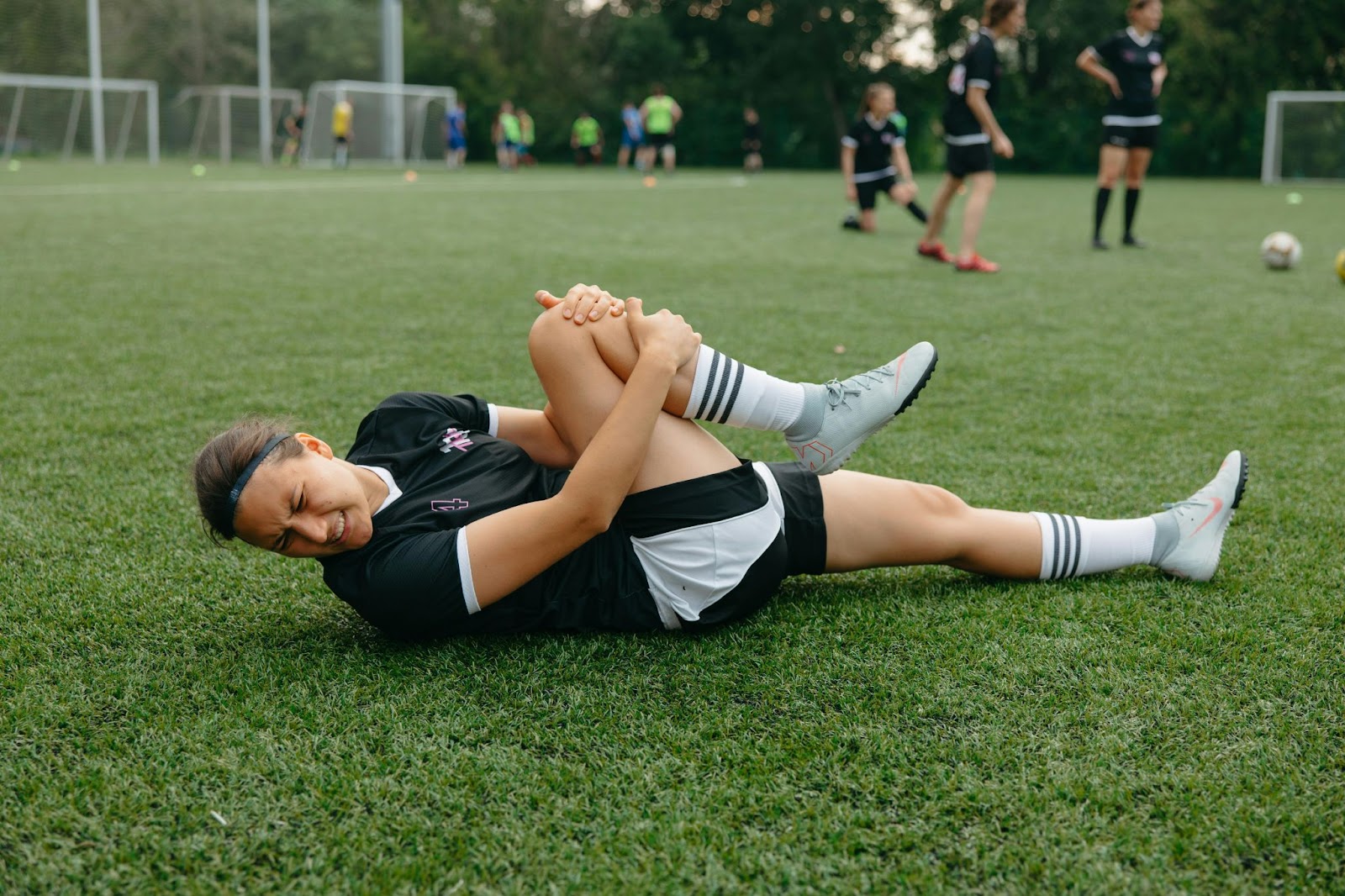

Whether you’re a weekend warrior, recreational athlete, or fitness enthusiast, sports injuries are an inevitable part of an active lifestyle. While the immediate response to injury—rest, ice, compression, elevation—is well known, what happens during the crucial recovery phase often determines whether you return to your sport stronger or face chronic problems for years to come.
The True Cost of Inadequate Rehabilitation
Statistics reveal a concerning pattern: athletes who don’t complete proper rehabilitation are significantly more likely to re-injure the same area. Research shows that up to 70% of individuals who suffer ankle sprains without proper treatment will experience chronic ankle instability and recurrent sprains. Similarly, knee injuries that aren’t adequately rehabilitated increase the risk of developing osteoarthritis by 500% compared to uninjured joints.
The problem isn’t always a lack of healing—it’s incomplete healing. Tissues may repair themselves sufficiently to eliminate pain, creating the illusion of full recovery. However, without addressing underlying biomechanical issues, muscle imbalances, and neuromuscular control deficits, the stage is set for future problems.
Understanding the Phases of Sports Injury Recovery
Effective rehabilitation follows a systematic progression through distinct phases, each building upon the previous stage:
Acute Phase (Protection and Pain Management): Immediately following injury, the body initiates an inflammatory response—swelling, pain, and limited mobility. During this phase, the goal is controlling inflammation while protecting healing tissues from further damage. This doesn’t mean complete immobilization; controlled, gentle movement within pain-free ranges promotes healing while preventing stiffness.
Subacute Phase (Restore Mobility and Strength): As inflammation subsides, focus shifts to regaining normal range of motion and beginning gentle strengthening. This phase addresses muscle atrophy that occurs rapidly with disuse—studies show muscles can lose up to 30% of their strength within just two weeks of inactivity.
Functional Phase (Return to Activity): This critical phase bridges the gap between basic movement and sport-specific demands. It involves progressive loading, dynamic stability exercises, and movement patterns that mimic athletic activities. This is where many athletes make mistakes, either advancing too quickly or stopping rehabilitation prematurely once pain resolves.
Performance Phase (Enhance and Prevent): The final phase focuses on returning to pre-injury performance levels and implementing injury prevention strategies. This includes advanced strengthening, sport-specific training, and addressing biomechanical factors that may have contributed to the initial injury.
Common Mistakes Athletes Make During Recovery
Rushing the Timeline: Pain reduction doesn’t equal full healing. Bone, ligament, and tendon repairs follow biological timelines that can’t be accelerated. Returning to sport before tissues have fully remodeled dramatically increases re-injury risk.
Focusing Only on the Injured Area: Injuries rarely occur in isolation. A hamstring strain may result from weak glutes or poor core stability. Addressing only the symptomatic area without correcting underlying issues leaves you vulnerable to recurrence.
Neglecting the Opposite Side: Research demonstrates that injuries to one limb create compensatory patterns affecting the uninvolved side. Comprehensive rehabilitation programs address both sides to maintain symmetry and prevent compensation-related injuries.
Skipping the Mental Component: Fear of re-injury creates hesitation and altered movement patterns that persist even after physical healing. Psychological readiness is as important as physical recovery for safe return to sport.
The Role of Professional Guidance
While online resources provide general exercise ideas, individualized assessment and treatment remain irreplaceable. Healthcare professionals specializing in movement and sports injuries can identify subtle biomechanical faults, muscle activation deficits, and proprioceptive impairments that athletes themselves cannot detect.
Professional rehabilitation offers several critical advantages:
Objective Progress Monitoring: Clinicians use validated outcome measures and objective tests to determine readiness for each rehabilitation phase, removing guesswork from the recovery process.
Manual Therapy Techniques: Hands-on interventions including joint mobilization, soft tissue work, and myofascial release accelerate recovery and address restrictions that exercise alone cannot resolve.
Progressive Exercise Prescription: Evidence-based exercise programs tailored to your specific injury, sport, and fitness level ensure optimal tissue loading throughout recovery.
For athletes in the Thornhill, Vaughan area looking for specialized sports injury rehabilitation, resources like physiotherapy in Thornhill provide comprehensive assessment and treatment approaches designed to return you to sport safely and efficiently.
Preventing Future Injuries
Completing rehabilitation properly reduces re-injury risk by addressing not just symptoms but root causes. This includes correcting movement dysfunctions, improving tissue capacity, and implementing sport-specific training modifications.
The most successful athletes view injuries not as setbacks but as opportunities—chances to address weaknesses, improve movement quality, and return stronger than before. With proper rehabilitation guidance, patience, and commitment to the process, you can achieve exactly that.
