
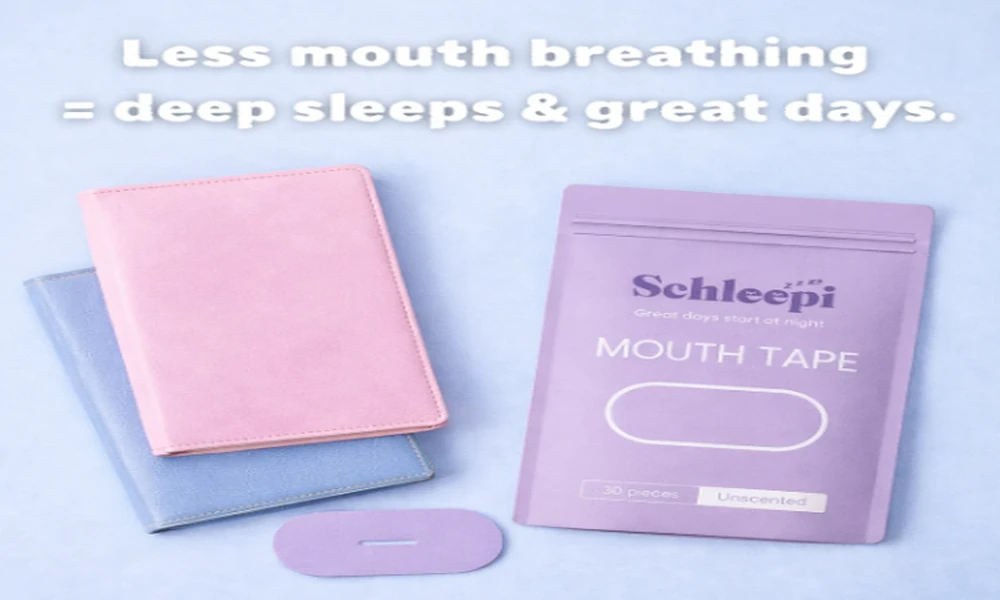

Most people mouth-breathe at night. Never think about it. Never question it. It’s just what happens when they sleep. Except it’s destroying their sleep quality. Mouth breathing isn’t neutral. It’s actively harmful. Your mouth is designed for eating and talking. Not respiration. When air goes directly through your mouth into your lungs, it bypasses essential filters. Your nasal passages warm, humidify, and filter air. Mouth breathing skips all that. Cold, dry, unfiltered air hits your lungs. Your body responds by tensing. By staying partially alert. By preventing deep sleep. People lie awake wondering why they can’t sleep properly. Never realising their breathing pattern is keeping them in constant low-level stress. Mouth tapes for sleeping address this directly. They force nasal breathing. Redirect air through proper channels. Yet most people resist because taping feels strange and restrictive.
Why Your Body Rejects Deep Sleep
Mouth breathing triggers your nervous system’s alert state. Your body interprets the dry, cold air as environmental stress. Danger possibly. It responds by keeping you in lighter sleep stages where you can supposedly react faster. This protective instinct runs amok. Your body thinks it’s helping. It’s actually sabotaging sleep. Nasal breathing activates your parasympathetic nervous system. The rest system. Relaxation mode. Your body can finally release tension. Finally enter deep restorative sleep. Mouth tapes for sleeping create this shift by preventing mouth breathing entirely. No choice. No argument. Just nasal breathing. Which means your nervous system can finally relax. The shift is immediate. Your body recognises proper breathing and responds by dropping into genuine rest. This is why the solution works so effectively for so many people.
The Discovery That Changes Everything
People using mouth tapes report something unexpected. Their dreams become vivid. Sleep feels heavier. More substantial. They’re experiencing sleep stages they haven’t accessed in years. Some interpret this as the tape causing discomfort. They’re wrong. It’s their body finally sleeping properly. This realization often hits hard. They’ve been sleeping badly for decades. Always assumed that was normal. Accepted exhaustion as inevitable. Then one night of proper sleep shows them everything they’ve been missing. The body remembers what real rest feels like. Suddenly poor sleep becomes unacceptable. They can’t go back to mouth breathing once they’ve experienced actual restoration. The contrast between shallow sleep and deep sleep becomes undeniable. Their entire relationship with sleep transforms overnight.
The Psychological Barrier
Here’s what stops people. The concept feels invasive. Restrictive. Like something’s being done to them against their will. This resistance is entirely psychological. The tape isn’t restricting anything. It’s enabling proper breathing. Yet people fight it because their mind says it should feel wrong. That mental barrier dissolves after one week. Once someone experiences sleep quality improvement, resistance disappears. They realise their discomfort was imaginary. The actual experience is revelation. Better sleep. Better mood. Better everything. Their anxiety about the tape dissolves the moment they experience what proper sleep actually feels like. Fear transforms into gratitude. The psychological resistance becomes a distant memory.
How Mouth Breathing Wrecks Your Sleep Architecture
Sleep has stages. Light sleep. Deep sleep. REM sleep. Your body cycles through these. Mouth breathing prevents reaching deeper stages. You stay in light sleep. Constantly partially conscious. Never truly resting. This explains why some people sleep eight hours and wake exhausted. They’ve been in bed but not actually sleeping. Their mouth breathing kept them in shallow stages. No restoration happened. Taping forces nasal breathing. Allows proper sleep architecture to develop. Your body cycles through stages normally. Finally gets the deep sleep it needs. Each night becomes restorative. Your brain consolidates memories. Your body heals. Everything that sleep is supposed to accomplish finally happens. The difference becomes obvious.
Conclusion
Mouth breathing at night keeps your nervous system partially alert, preventing deep restorative sleep. Mouth tapes for sleeping force nasal breathing, allowing your body to enter proper sleep stages and truly rest. Your mind interprets this as uncomfortable initially, but your body quickly recognises the improvement. Sleep becomes deeper. Dreams become vivid. Energy returns. Relationships improve because you’re no longer exhausted and irritable. For anyone waking exhausted despite adequate sleep time, this simple intervention addresses the actual problem rather than treating symptoms superficially.
