
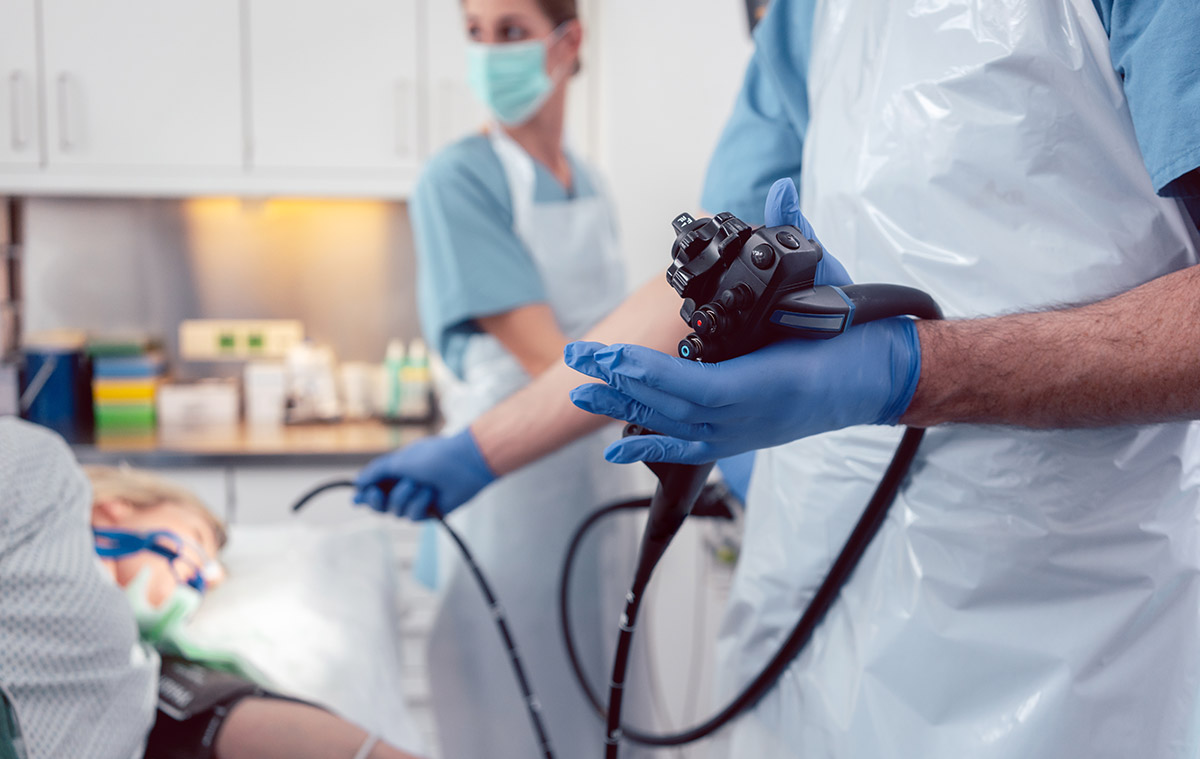

An endoscopy is a medical procedure that allows doctors to examine the inside of your body using a thin, flexible tube with a camera at the end. This procedure is commonly used to investigate symptoms such as persistent stomach pain, nausea, difficulty swallowing, or gastrointestinal bleeding. When your doctor recommends a diagnostic endoscopy, it doesn’t necessarily mean something serious, but it does mean your symptoms need a closer look.
Endoscopy procedures are minimally invasive and typically done on an outpatient basis. This means you can usually go home the same day. There are different types of endoscopy procedures, such as gastroscopy (to examine the stomach and upper digestive tract) and colonoscopy (to view the lower digestive tract).
Why You Might Need an Endoscopy
Doctors may recommend an endoscopy to diagnose a condition, monitor an existing issue, or even treat certain problems. For example, if you have chronic acid reflux or ulcers, an endoscopy can help identify inflammation, tissue damage, or other abnormalities. If polyps or suspicious growths are found, they can often be removed or biopsied during the same procedure.
Endoscopy is also used to treat some conditions directly. For instance, bleeding in the digestive tract can sometimes be stopped during the procedure. In this way, endoscopy serves both diagnostic and therapeutic purposes, making it an essential tool in modern medicine.
What to Expect Before the Procedure
Your doctor will provide specific instructions to prepare for the endoscopy. This often includes fasting for several hours beforehand to ensure your stomach and intestines are empty. For colonoscopies, a bowel prep is required to clear the colon completely.
You’ll also be asked about any medications you’re taking, especially blood thinners or drugs that affect your digestive system. It’s important to follow the instructions closely to avoid complications and ensure the results are accurate.
During the Endoscopy
The endoscopy procedure is generally quick and relatively comfortable. You’ll usually receive a sedative to help you relax. In some cases, general anesthesia may be used, especially in children or anxious patients. The doctor will gently insert the endoscope into the relevant part of your digestive tract.
Most people do not feel pain, although there may be some pressure or mild discomfort. The camera sends images to a monitor, allowing your doctor to inspect the area in real time. Any necessary samples or minor treatments can be performed during the same session.
Recovery and Follow-Up
After the endoscopy, you’ll be monitored for a short period while the sedation wears off. It’s normal to feel groggy, and you might experience a sore throat or bloating depending on the type of endoscopy performed. These side effects are usually mild and go away quickly.
You should not drive or operate machinery until the next day, so make arrangements for someone to accompany you home. Your doctor will share preliminary findings soon after the procedure and send lab results, if any samples were taken, within a few days.
Risks and Safety
Endoscopy is generally safe, but as with any procedure, there are some risks. These include bleeding, infection, or accidental perforation of the organ being examined. However, such complications are rare, especially when the procedure is performed by an experienced specialist. Let your doctor know if you have heart or lung conditions, allergies to medications, or a history of complications with sedation. This helps the medical team prepare and keep you safe.
Is an Endoscopy Right for You?
If your doctor suggests an endoscopy, it’s because they believe the benefits outweigh the risks. The information gained from this procedure can be crucial in diagnosing or ruling out serious health issues. It can also lead to early treatment, which improves your overall prognosis and quality of life.
Endoscopy remains one of the most effective ways to view the digestive tract and uncover hidden conditions. It’s an important step toward better health and peace of mind. Don’t hesitate to ask questions and express concerns—your doctor is there to help guide you through the process with confidence and clarity.
