
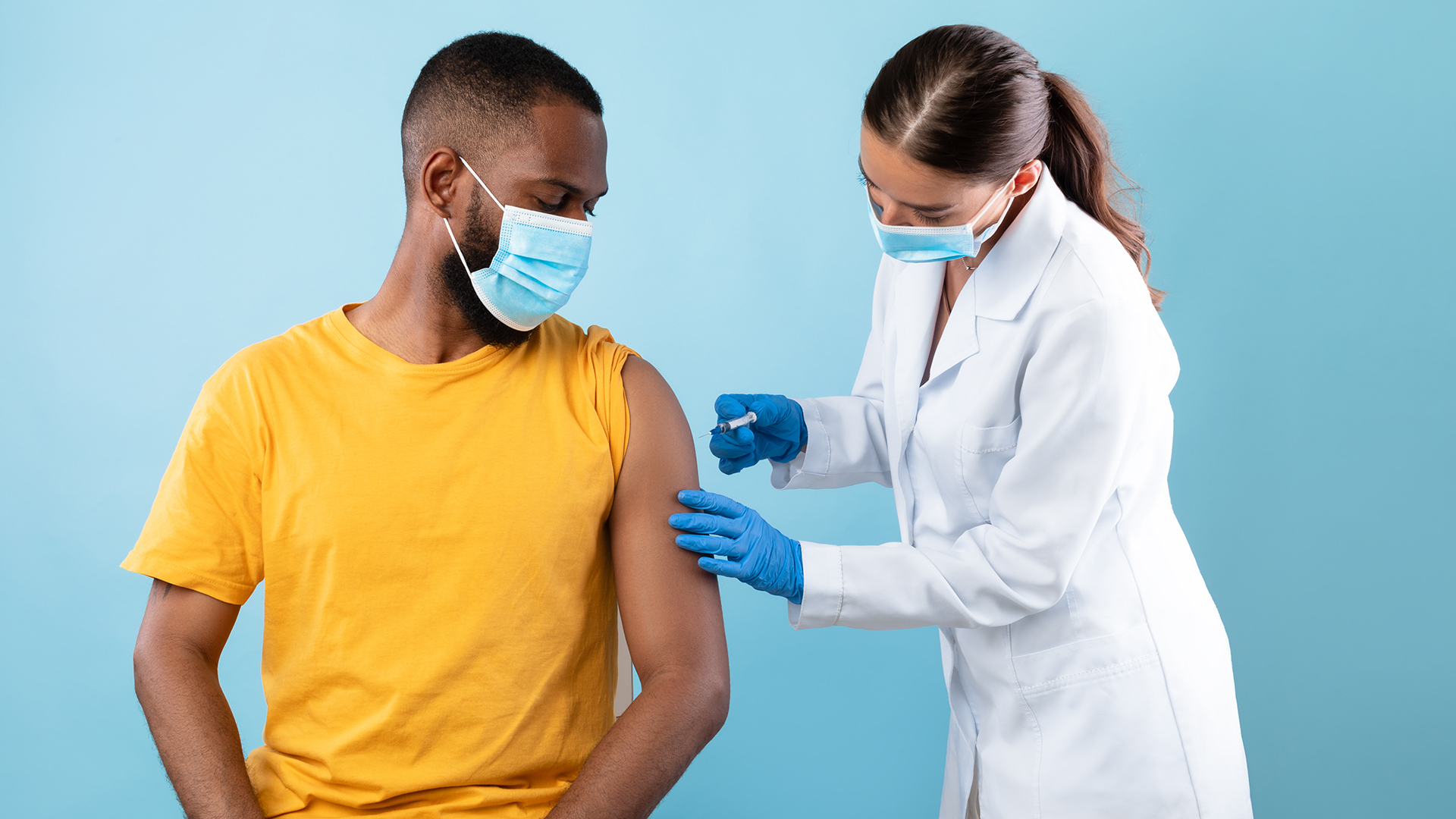

Religious pilgrimages and spiritual journeys take millions of people across the globe each year. Whether it’s the Hajj to Mecca, a temple tour across India, or a Catholic pilgrimage to Lourdes, these trips often involve large gatherings of people in crowded conditions. This setting increases the risk of disease transmission, making vaccines for travel an essential part of pre-travel health planning.
Vaccinations are not only a requirement for entry into some destinations, but they are also a key measure to protect travelers from preventable diseases. For pilgrims—many of whom are older adults or have underlying health conditions—staying healthy ensures the journey is both safe and spiritually fulfilling.
Common Health Risks During Pilgrimages
Mass religious gatherings can amplify the spread of respiratory infections, foodborne illnesses, and vaccine-preventable diseases. Factors such as close contact with others, fatigue, unfamiliar food, and varying hygiene standards increase vulnerability to illness.
In past years, outbreaks of diseases like meningitis and influenza have been linked to religious pilgrimages. Some destinations also pose risks for hepatitis A, typhoid, or yellow fever, depending on the country’s health profile. These risks highlight why getting the right travel jabs in advance is critical.
Recommended Travel Vaccines for Pilgrims
The specific vaccines needed will vary based on your destination, the duration of travel, your health history, and the current disease outbreaks. However, there are several commonly recommended travel vaccines for pilgrims, especially for those heading to areas in the Middle East, South Asia, or Africa.
For example, the meningococcal vaccine is a mandatory requirement for those attending the Hajj and Umrah in Saudi Arabia due to past outbreaks of meningitis. Influenza vaccination is also strongly advised because of the high transmission potential in crowded areas. Other vaccines to consider include hepatitis A and B, typhoid, yellow fever (if traveling to certain African or South American countries), and polio.
Routine Immunizations Still Matter
Aside from destination-specific travel vaccines, all travelers should be up to date with routine immunizations. This includes measles-mumps-rubella (MMR), tetanus-diphtheria-pertussis (Tdap), and varicella (chickenpox). Many adult travelers assume they are protected against these diseases, only to discover gaps in immunity later.
Measles, in particular, has made a global comeback due to decreasing vaccine coverage. Pilgrimages that bring together people from many countries can increase exposure risk to these resurgent diseases.
When to Schedule Your Vaccinations
It’s best to schedule your pre-travel consultation with a healthcare provider at least 4 to 6 weeks before your departure. Some travel vaccines require multiple doses spaced out over time or need time to become fully effective.
Additionally, certain vaccines—such as the yellow fever vaccine—require an international certificate of vaccination for entry into some countries. This makes early planning essential not only for health protection but also to avoid travel disruptions.
Considerations for Older Adults and High-Risk Pilgrims
Many pilgrims are older adults or people with chronic medical conditions. This group is particularly susceptible to complications from infections. Travel vaccines are especially important for them but should be tailored based on medical history and current medications.
For example, people with weakened immune systems might not be able to receive live vaccines like yellow fever or oral typhoid. In these cases, alternative strategies such as travel route modifications or additional precautions should be discussed with a travel medicine specialist.
Hygiene and Health Practices Alongside Vaccination
While travel vaccines form a strong first line of defense, they work best when combined with good hygiene and health practices. Pilgrims should carry hand sanitizer, avoid undercooked or street food, and drink only bottled or treated water.
Wearing masks in crowded settings and frequent handwashing can reduce the risk of respiratory infections. Pilgrims should also prepare for the physical demands of the journey by staying hydrated, managing chronic health conditions, and pacing themselves appropriately.
Spiritual Well-being and Physical Health Go Hand in Hand
For many, a pilgrimage is not just a journey but a once-in-a-lifetime spiritual milestone. Falling sick during this experience can be emotionally distressing and logistically challenging. Ensuring that your travel vaccines are up to date allows you to focus on the purpose of your journey without the anxiety of health setbacks.
It also reflects a sense of social responsibility—protecting yourself means protecting others, especially in mass gatherings where infections can quickly spread through vulnerable populations.
Conclusion
Travel vaccines play a crucial role in safeguarding your health during religious pilgrimages and spiritual travels. Given the unique health risks associated with large gatherings and international destinations, being proactive about immunizations is not just wise—it’s essential.
By consulting a healthcare provider early, receiving the recommended vaccines, and practicing preventive habits, you can approach your journey with peace of mind. Your spiritual goals and physical safety can go hand in hand when thoughtful preparation becomes part of your faith-filled journey.
