
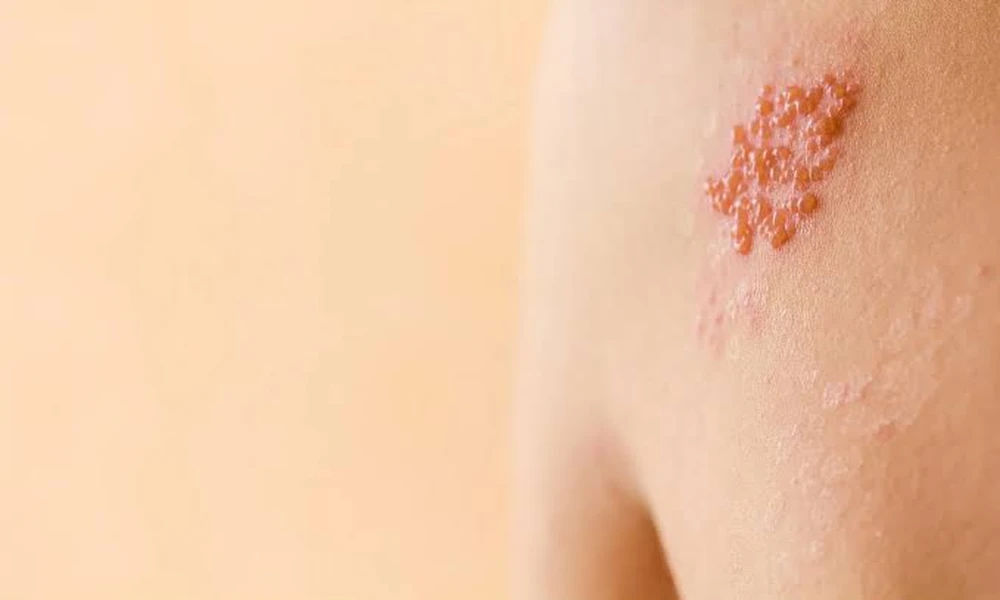

Shingles can become more than an uncomfortable skin condition. For some adults, it can cause severe pain that continues even after the visible rash has disappeared. The risk generally increases with age, making prevention an important part of maintaining good health as people get older.
Shingles, medically known as herpes zoster, develops when the varicella-zoster virus becomes active again in the body. This is the same virus that causes chickenpox. After a person recovers from chickenpox, the virus does not completely leave the body. Instead, it remains inactive in nerve tissue and may reactivate years or even decades later.
Vaccination can reduce the risk of developing shingles and related complications. Understanding when vaccination may be appropriate can help adults have a more informed discussion with their healthcare provider.
What Is Shingles and Why Does It Affect Adults?
Shingles usually causes a painful rash or groups of blisters that appear on one side of the body or face. Before the rash develops, some people may experience tingling, itching, burning, or unusual sensitivity in the affected area.
Age is one of the major factors associated with shingles risk. As people grow older, the immune system may become less effective at keeping the varicella-zoster virus inactive. This is one reason shingles becomes more common among older adults.
One of its better-known complications is postherpetic neuralgia, or PHN. This condition causes nerve pain that can continue after the shingles rash has healed. Other complications can affect the eyes, hearing, skin, or nervous system depending on the location and severity of the infection.
At What Age Should Adults Consider Shingles Vaccination?
International vaccination guidance commonly recommends recombinant zoster vaccination for adults aged 50 years and older. Current CDC guidance recommends two doses for adults in this age group, including people who have previously experienced shingles.
Reaching age 50 is therefore an appropriate time to speak with a doctor about whether vaccination should become part of your preventive healthcare plan.
Adults Aged 50 and Above
People searching for a shingles vaccine Philippines option may want to start by discussing vaccination with their physician, vaccination clinic, or qualified healthcare provider once they reach the recommended age range.
The reason for considering vaccination before shingles occurs is straightforward: preventing the disease can also reduce the possibility of dealing with its painful complications.
The recombinant shingles vaccine is normally given as a two-dose series. For most eligible adults, the second dose is generally administered two to six months after the first.
Completing the recommended vaccination schedule is important because both doses are intended to provide the expected level of protection.
Should Adults Below 50 Consider Zoster Vaccination?
Age is not the only consideration.
Some younger adults have health conditions or receive treatments that weaken their immune systems. These individuals may face an increased risk of shingles even before reaching age 50.
Current CDC recommendations include two doses of recombinant zoster vaccine for adults aged 19 years and older who are or will become immunodeficient or immunosuppressed because of a medical condition or treatment.
This does not mean that every adult younger than 50 automatically needs the vaccine. Eligibility depends on individual circumstances and should be reviewed with a healthcare professional.
Conditions and circumstances that may require a vaccination discussion include:
- Medical conditions that weaken the immune system
- Treatments or medications that suppress immune function
- Upcoming therapies that may significantly reduce immune response
- Previous shingles combined with other health risk factors
- Questions about vaccination timing before immunosuppressive treatment
When possible, vaccination for immunocompromised patients may be timed before periods of stronger immunosuppression so the immune system has a better opportunity to respond.
Do You Still Need Vaccination After Having Shingles?
Having shingles once does not necessarily mean it cannot happen again.
Adults who have previously experienced shingles may still be advised to receive vaccination once they meet the appropriate vaccination criteria. Current recommendations for adults aged 50 and above apply regardless of whether they report a previous episode of herpes zoster.
However, the vaccine should not be treated as a treatment for an active shingles infection. Anyone currently experiencing shingles should speak with a doctor about the appropriate timing for vaccination after recovery.
What Should You Ask Before Getting Vaccinated?
Before looking for a zoster vaccine Philippines provider, it is useful to review your medical history with a qualified healthcare professional.
Your doctor may consider your age, previous vaccination history, history of chickenpox or shingles, allergies, current medications, immune system status, pregnancy status, and ongoing medical treatments.
People with a history of severe allergic reactions to vaccine ingredients should make sure their healthcare provider is aware of this information before vaccination. Vaccination may also need to be postponed during an active shingles episode or depending on an individual’s current health condition.
Temporary reactions such as soreness at the injection site, fatigue, headache, muscle discomfort, fever, or chills can occur after shingles vaccination. A healthcare professional can explain what reactions are expected and when medical attention may be necessary.
Why Prevention Becomes More Important With Age
Preventive healthcare often focuses on problems that become increasingly likely as the body ages. Shingles fits into this category because declining immune protection can make reactivation of the varicella-zoster virus more likely.
The recombinant zoster vaccine has demonstrated high effectiveness against shingles. CDC information indicates that shingles vaccination is over 90% effective at preventing shingles and postherpetic neuralgia among adults aged 50 and older with healthy immune systems.
Vaccination does not guarantee that shingles will never occur. However, reducing the likelihood of the disease and its complications can make vaccination worth discussing as part of long-term adult healthcare.
When Is the Right Time to Talk to Your Doctor?
Adults do not need to wait until they develop symptoms before asking about shingles prevention.
For most healthy adults, turning 50 is a practical point to start the conversation. Adults below 50 who have weakened immune systems, are receiving immunosuppressive treatment, or expect to begin treatment that affects immune function may need to discuss vaccination earlier.
The appropriate timing can differ from person to person. Vaccine availability, individual health conditions, medical history, and local clinical recommendations should also be considered.
Protecting Your Health Through Preventive Care
Shingles may occur unexpectedly, but adults can take steps to understand and reduce their risk.
Knowing your vaccination options is particularly important as you enter your 50s or if you have a health condition that affects your immune system. Rather than waiting for shingles to become a problem, discuss your personal risk factors and vaccination eligibility with a licensed healthcare professional.
A simple conversation during a regular medical appointment can help determine whether zoster vaccination is suitable for you and when the vaccination schedule should begin.
This information is intended for general educational purposes and should not replace individualized medical advice, diagnosis, or treatment from a qualified healthcare professional.
