
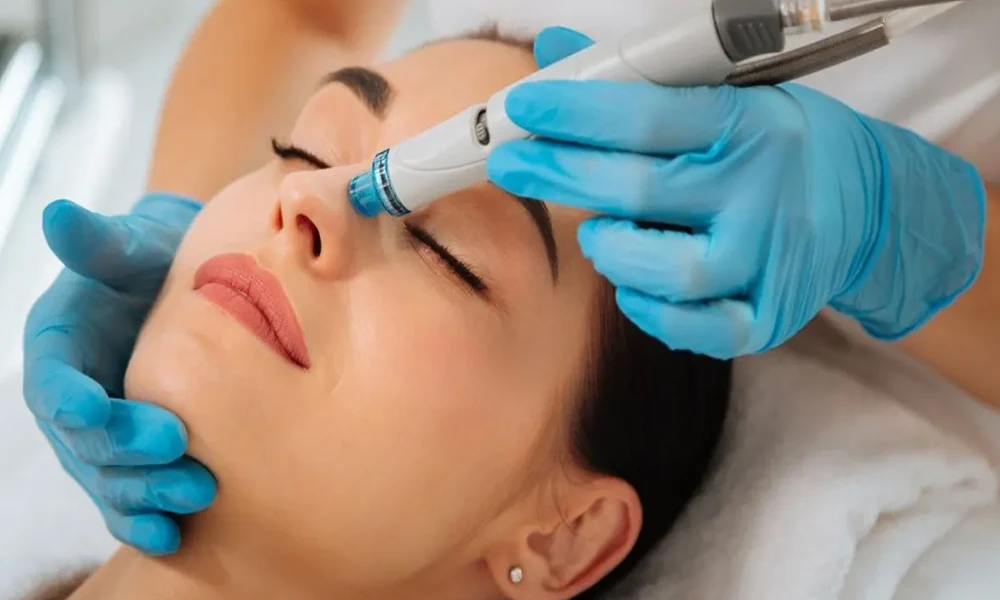

Most people do not think about their skin until something goes wrong. A cluster of dark patches appears after a summer spent outdoors. Acne clears up but leaves behind a landscape of uneven texture that no serum seems to budge. Fine lines settle in around the eyes earlier than expected. Laser skin treatment has become the go-to response for exactly these moments – not because it is new or fashionable, but because it actually works on the skin structures that topical products simply cannot reach.
The Wavelength Nobody Talks About
Here is something most people are never told during a consultation: not all lasers behave the same way, and the wavelength used determines everything. Certain wavelengths are drawn to melanin, which is why they are used to break up pigmentation and dark spots. Others are attracted to water content within skin cells, making them highly effective for resurfacing and scar revision. Choosing the wrong wavelength for a given skin concern does not just produce poor results – it can cause post-inflammatory hyperpigmentation, particularly in darker skin tones. This is why a practitioner’s technical knowledge matters far more than the equipment brand.
Why Topical Treatments Plateau
Serums and creams function inside the epidermis, which is the skin’s outermost layer. The trouble is that most obvious skin disorders – deep acne scars, dermal pigmentation, sagging caused by collagen loss – dwell much farther down, in the dermis. Laser skin therapy skips the surface altogether and delivers regulated energy straight to the dermis, prompting a wound-healing reaction that the skin begins on its own. The collagen formed during that reaction is fresh, structurally robust, and significantly more effective than anything put to the surface. That is the space that lasers address – not by adding anything to the skin, but by stimulating the skin to reconstruct itself.
The Fitzpatrick Scale and Why It Matters
One insight that seldom makes it into mainstream skincare talks is the Fitzpatrick scale – a categorisation system that categorises skin by its reaction to UV exposure. It directly determines which laser type is safe and effective for a certain individual. Lighter skin tones tolerate ablative lasers, which remove the surface layer altogether, quite well. Deeper skin tones generally react better to non-ablative or fractional techniques that retain the surrounding tissue. Clinics that ignore this examination and use a one-size-fits-all strategy are cutting costs in a manner that bears serious repercussions. Asking a practitioner how they consider skin type into their strategy is one of the most essential things a patient can ask before committing to laser-based skin therapy.
Heat Shock Proteins and Long-Term Skin Change
Beyond collagen stimulation, laser treatments stimulate something called heat shock proteins – chemicals that the body produces in reaction to thermal stress. These proteins serve a role in healing damaged cells, decreasing inflammation, and sustaining the skin’s structural integrity throughout time. This is part of the reason why skin frequently continues to appear healthier in the months after a laser treatment. The therapy kicks off a chain of biological reactions that run much beyond the apparent healing period, which explains why a single session might provide changes to that compound gradually rather than showing overnight.
What Undermines Results
Laser techniques often do not provide results that are permanent by default. Sun exposure is the most frequent reason gains are lost – UV radiation breaks down new collagen and reactivates melanin formation, which may erase pigmentation work within weeks. In addition to reducing the amount of blood that flows to the skin, smoking also disrupts the healing environment that lasers need. Collagen is actively degraded by cortisol, which is elevated when sleep deprivation and chronic stress are present. The laser performs its part, but the lifestyle around it either preserves or dismantles what was produced.
Conclusion
Laser skin treatmentworks best when it is addressed with true understanding rather than blind trust. The science underlying it is advanced, the variables are real, and the difference between a qualified practitioner and an uneducated one is obvious in the outcomes. Skin that has been treated effectively reacts well – and that is true long after the session concludes. Asking the correct questions, knowing what is truly occurring behind the surface, and committing to adequate aftercare are what convert a good operation into a lasting success.
