

Dental health plays a vital role in your overall well-being, and sometimes, protecting or restoring teeth involves advanced solutions. Tooth crowns are among the most common treatments recommended by dentists to improve dental function and appearance. If you’re curious about when a tooth crown in Oakville might be recommended for your oral health, this guide will give you all the answers. From why they’re needed to how they help safeguard your teeth, we’ll cover the key points so you can make confident decisions about your care.
What Are Tooth Crowns?
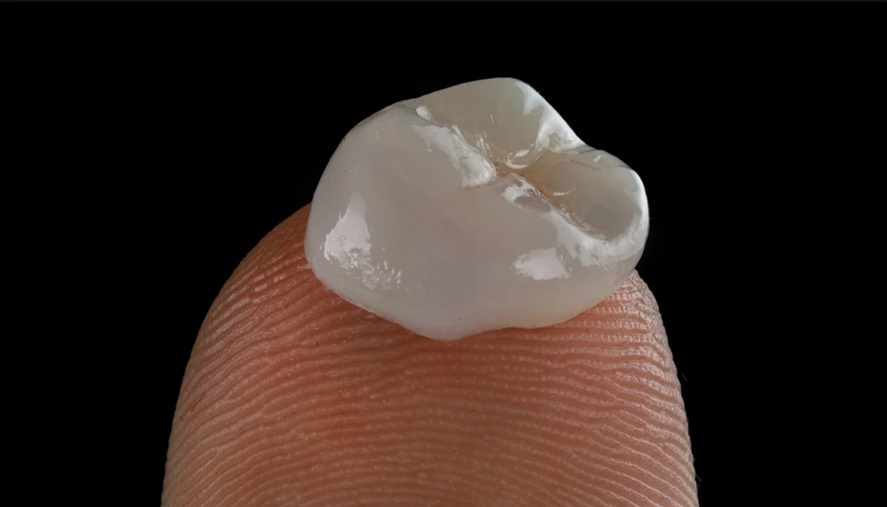
Tooth crowns, also known as dental crowns, are essentially caps placed over a damaged or weakened tooth. They restore the tooth’s shape, size, strength, and appearance. Crowns are custom-made to fit snugly, blending in naturally with the rest of your teeth.
Typically crafted from materials like porcelain, ceramic, or metal, crowns are long-lasting and durable, making them one of the most effective solutions for preserving a tooth in need of extra support.
When Are Tooth Crowns Needed?
When teeth are severely damaged, whether from decay, cracks, or trauma, crowns provide an essential layer of protection. They restore the tooth’s structure and prevent further damage while enabling normal chewing and speaking functions.
For example, a tooth weakened by a large filling or deep cavity might not handle biting pressure well. A crown reinforces the tooth, saving it from potential breakage.
When a tooth undergoes root canal treatment, the removal of infected tissue makes it vulnerable to cracking. A crown protects the tooth, ensuring it remains functional for years to come. This is an integral part of completing the treatment and preventing reinfection.
The Role of Oral Hygiene in Crown Success
Maintaining excellent oral hygiene is crucial once you have a crown. Neglecting your dental care can lead to plaque buildup around the crown’s edges, which could harm both the crowned tooth and its neighboring teeth. Brushing twice a day, flossing, and using an antibacterial mouthwash will help keep your mouth healthy and your crowns looking their best.
If the thought of dental visits or procedures makes you uneasy, you’re not alone. Many people struggle with similar feelings. Fortunately, there are tips for overcoming dental anxiety that can help you feel more at ease and stay on top of your dental care routine.
Caring for Your Crowns
Tooth crowns are designed to last many years, but their lifespan depends on your level of care. Regular dental visits are vital for monitoring the condition of your crowns and addressing any issues early on.
It’s also important to approach maintenance with the right knowledge. For insights on ensuring your crowns’ longevity and debunking common misconceptions, explore the importance of tooth crown maintenance tips for longevity. Understanding the basics of proper care can save time and future repairs.
Conclusion
Tooth crowns are an effective, versatile solution for restoring damaged teeth and enhancing smiles. Taking proactive steps to care for your crowns, along with regular dental visits, ensures their effectiveness and your long-term oral health. If a tooth crown seems like the right solution for your needs, consulting a professional about your options will put you on the path to a healthier smile. With the proper care, you can enjoy both the functionality and beauty that crowns provide for years to come.
