

What if someone informed you that there’s a method to straighten your teeth without undergoing the pain of customary metal braces? Sounds like a fantasy. But what if we inform you that it’s actually happening? Yes, you listened correctly: attaining a straighter smile and a more confident one no longer requires metal wires or brackets. Kudos to the development of clear braces innovation, invisible aligners have developed as a careful, easy, and highly productive replacement to traditional braces. Have you ever thought about how easy looking can design such a dramatic outcome? What gives these nearly clear trays the ability to move teeth into perfect positions without the agony and hassle of customary braces? This article explains how clear braces work, the captivating science beyond that, and the procedure of tooth movement.
Define clear aligners.
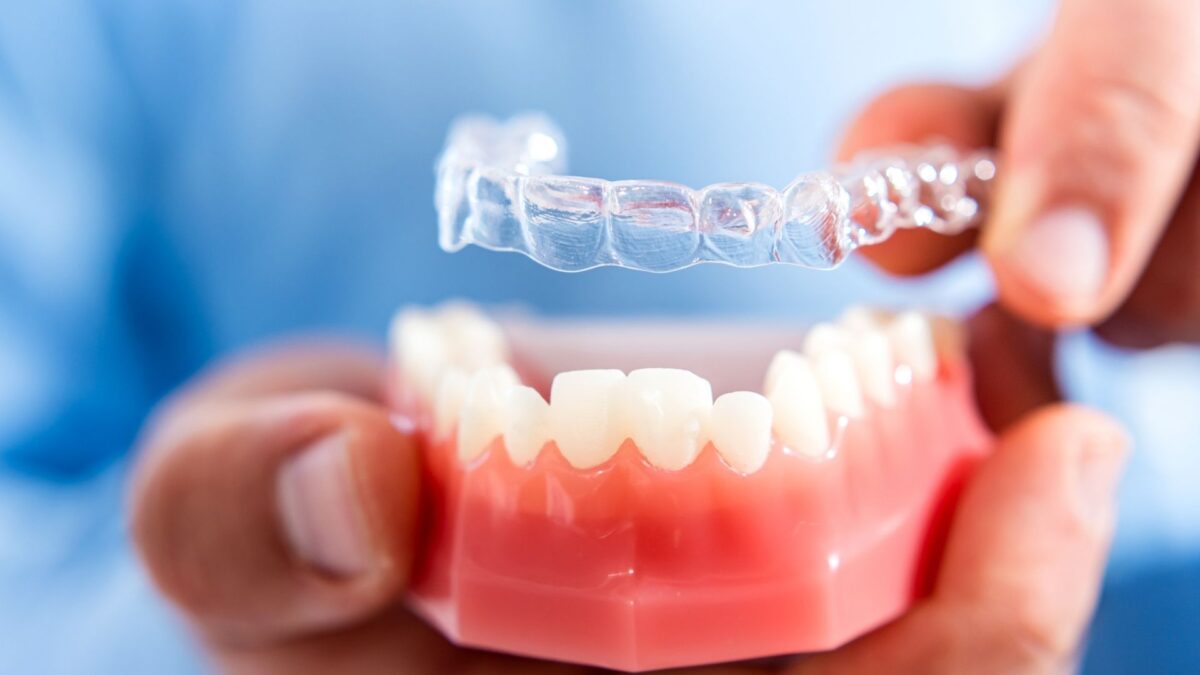
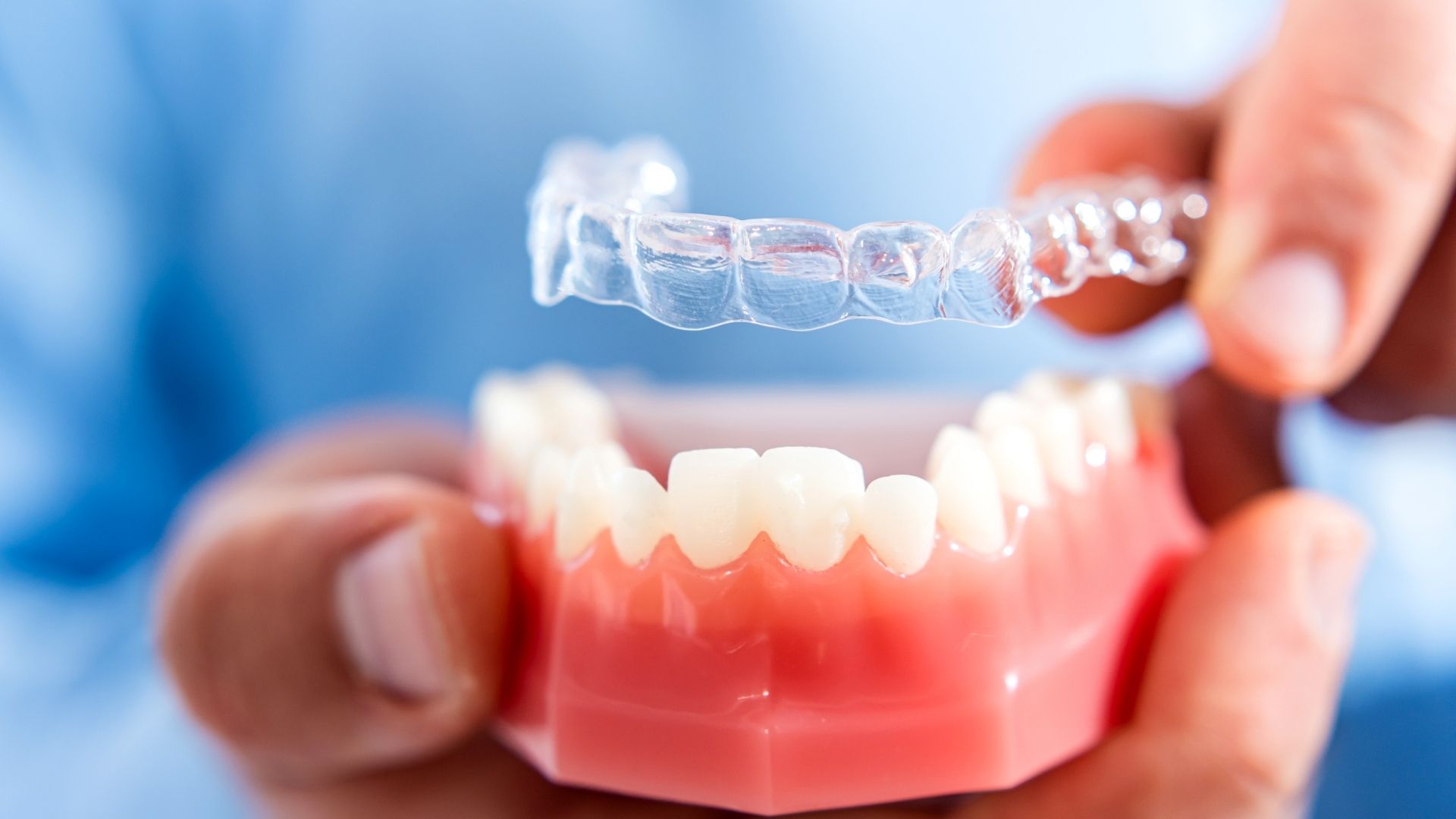
Invisible aligners are customized, removable plates composed of therapeutic-grade thermoplastic material. Created to fit comfortably over your teeth, they slowly guide them into the desired position using soft, planned pressure, which often leads patients to ask, How much does invisalign cost? Patients usually receive a series of aligners, each slightly different from the previous one, to shift their teeth bit by bit toward alignment. Clear aligners are virtually invisible, making them particularly attractive to teenagers and adults looking for a more discreet orthodontic option. But underneath their fine looks lies a complicated and well-researched scientific foundation.
Dental biomechanics in invisible aligners.
Dental biomechanics is an evaluative component of learning how invisible aligners work.
Knowing biomechanics.
Dental biomechanics is the learning of how controlled intensity shifts teeth within the jawbone. In dentistry, this includes applying compulsion to restore a biological answer that guides movement. Whereas customary braces attain this with metal brackets and wires, invisible aligners depend on personally-created plastic trays to put in place.
Biomechanics in invisible aligners.
When a patient is placed on invisible aligners, the tray doesn’t actually correct their present tooth alignment. This calculated mismatch appeal soft pressure on selected teeth. Each new tray in the sequence continues this motion, directing teeth step-by-step toward their perfect situation. This directed pressure guides tooth movement through a biological procedure called bone restoration, a matter we’ll explore in the next component.
A peaceful mix of technical and science.
The achievement of invisible braces lies in the flawless mix of modern planning and the realistic biological action of tooth movement. By controlling the proposition of orthodontic biomechanics, braces supply an advanced, careful, and easy replacement to conventional braces, making them a game-changer in advanced orthodontics.
Learning the tooth action mechanism.
The organic response to dental force is known as bone restoration. It’s the answer to how teeth move securely and slowly into new directions.
The character of bone restoration.
Tooth motion takes place when controlled force is put in over time, which evokes a biological response in the neighboring tissues. Particularly, the gum area (periodontal ligament) responds to force and tension. This uninterrupted breakdown and reconstruction process is what lets teeth move slowly and securely while keeping up bone support.
