

Key Takeaways
Scar tissue can significantly limit your range of motion, bring on pain, and push you into compensatory movements. This creates a frustrating cycle of discomfort.
Ignoring the impacts of scar tissue might breed chronic pain, so it’s crucial to tackle the root causes instead of just covering up symptoms.
Scar tissue release therapy typically involves assessment, manual techniques, and follow-up care to enhance tissue mobility and ease discomfort.
A variety of techniques, including ICOONE Therapy, Myofascial Release, and Neuromuscular Therapy, can be tailored to suit your individual scar tissue condition.
Expect the recovery journey through scar tissue release therapy to include some intense sensations; emotional responses are a normal part of healing.
After therapy, many people notice better movement, less pain, and an overall boost in their quality of life-physically and mentally.
When choosing a specialist, look for certifications in manual therapies, hands-on experience with scar tissue, and positive client reviews.
How Scar Tissue Affects Your Daily Life
The Hidden Impact of Scar Tissue on Movement
Scar tissue is more than just something unsightly; it can influence your body in unexpected ways. When I first started to feel the effects of scar tissue, I was shocked to discover how much it could interfere with my physical abilities. Picture this: every time we move, our muscles and tissues are meant to glide smoothly. Scar tissue? Yeah, it changes that entire experience. Adhesions can form and cause restrictions-it’s not just uncomfortable. It’s downright debilitating.
Let’s break things down a bit. Scar tissue can:
- Limit Range of Motion. Ever reached for something and felt that nagging tightness? You know what I’m talking about.
- Cause Pain. It’s not just any pain; it’s a constant reminder of your body’s past.
- Lead to Compensatory Movements. You start twisting and turning just to avoid that pain. Not great for your body!
Essentially, with every move, you risk amplifying the pain. I totally get it; I’ve faced that frustration.
Are You Living with Chronic Pain? Here’s Why
Chronic pain can truly become a way of life, not just a buzzword. You might tell yourself, “Oh, it’s just a bit uncomfortable.” But over time, that discomfort can spiral into something much worse. I thought I could tough it out. Spoiler: I was wrong. Each day posed new challenges, from bending down to tie my shoes to merely sitting at my desk.
Meanwhile, everyone else seems to glide through life without a hitch, while you navigate a maze of agony. Genetic factors, lifestyle choices, and yes, that stubborn scar tissue quietly building up-all play a part. Masking the pain with medication could help temporarily, but let me tell you, addressing the root cause, like scar tissue, is so much more effective.
Don’t brush aside the signals your body is sending you. It’s time to dig into those underlying issues.
Unpacking Scar Tissue Release Therapy
What Actually Happens During a Session?
If scar tissue release therapy is on your mind, here’s what you can expect in a typical session:
- Assessment. The practitioner will take a good look at the scar and nearby areas, asking about your history and symptoms. Don’t hold back; that info is crucial.
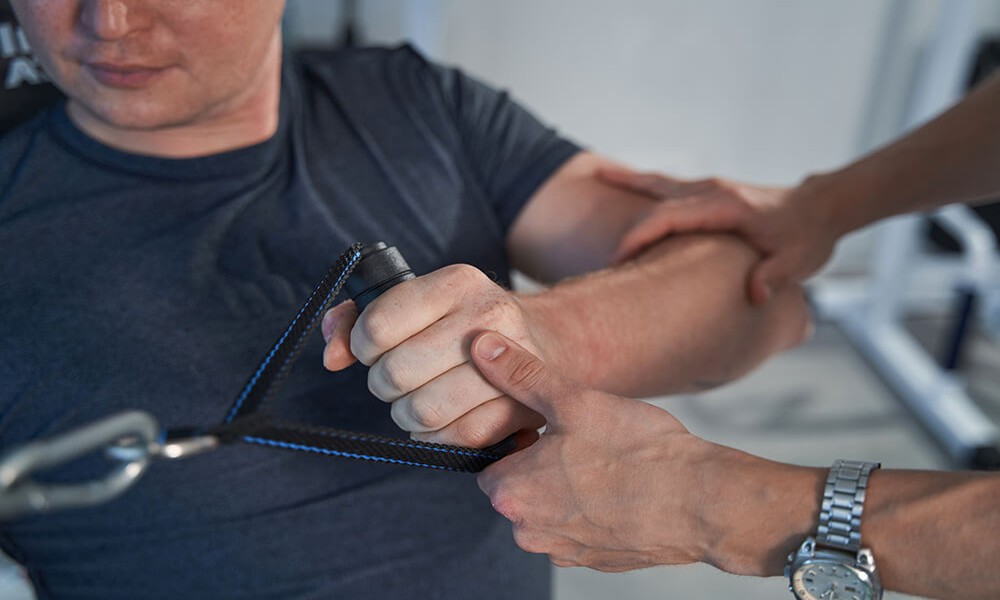
- Manual Techniques. You can expect a blend of gentle manipulation and deeper tissue work. It’s focused and, yes, sometimes a bit uncomfortable.
- Follow-up Care. You won’t just walk out and dance away. There’ll likely be recommendations for at-home stretches or exercises to help maintain your progress.
This approach might seem a bit chaotic at times, but trust me, there’s a method to it. Each step aims to get those tissues moving again and break down the tightness holding you back.
Types of Techniques: From ICOONE to Myofascial Release
Let’s dive into the various techniques in scar tissue release therapy. This isn’t a one-size-fits-all approach. Different methods can be applied based on your situation. Here’s a quick summary:
- ICOONE Therapy. This high-tech option uses laser technology and suction methods. It’s non-invasive and feels more like a soothing massage.
- Myofascial Release. Think of it as a deep tissue technique aimed at stretching and releasing tight fascia-those troublesome areas.
- Neuromuscular Therapy. Sometimes, your nerves need some extra love. This method focuses on easing pain by targeting trigger points within the muscles.
The bottom line? Different approaches for different folks. Each technique can be customized based on your unique scars and pain experience.
My Personal Journey: Combatting Months of Pain
The Unfiltered Reality of Treatment: What to Expect
Let’s keep it real: the road to recovery isn’t all sunshine and rainbows. If you’re hoping for a fairy-tale ending, prepare for a surprise. My first session? Intense. It was this weird blend of relief and discomfort. Every time the therapist worked on my scar, layers of pain felt like they were peeling away, only to leave a dull ache in their place. It’s kind of like post-workout soreness; you might feel worse before you get better.
And don’t overlook the emotional side. It’s completely normal to feel teary, frustrated, or even a bit angry during the process. Be open with your therapist; transparency matters. They can tweak the techniques based on your feedback.
Before and After: How Therapy Changed Everything
Honestly, the changes were impressive. I went from inching my way around, trying to avoid pain, to jumping back into my favorite activities. It’s kind of remarkable-I can now run short distances without feeling like I’m in a suspenseful horror movie, just dreading the next surge of pain.
Here’s what to look for in your before and after:
- Movement Improvements. You’ll feel more fluidity in your motions. Think of it like a well-oiled machine.
- Reduction in Pain. Over time, the pain’s intensity should lessen, and you’ll find yourself handling more.
- Better Overall Quality of Life. It’s not just about physical shifts; emotional and mental improvements might really surprise you!
I promise you, the payoff is so worth the effort. Scar tissue release therapy can alter your daily experience in truly significant ways.
Choosing the Right Specialist for Scar Tissue Release
What Credentials Should You Look For?
So you’ve decided to seek therapy. But how do you navigate the options to find a qualified specialist? Begin by paying attention to specific credentials. You want someone who truly knows their stuff.
- Certified Therapists. Check for recognized certifications in manual therapies.
- Experience with Scar Tissue. This one’s crucial. You need someone who understands scar tissue release therapy deeply.
- Positive Reviews. It may sound cliché, but real testimonials are gold. Listen to the experiences of others.
Doing a bit of research upfront can save you a heap of pain down the line. Aim to find therapists who come highly recommended by those who have successfully navigated this journey.
Questions to Ask During Your Initial Consultation
You’ve finally secured that first meeting. What should you inquire about? Here’s a handy list of essential questions that can guide you:
- What techniques do you specialize in? This helps you assess if their skills align with your needs.
- How many sessions do you recommend? Understanding the commitment involved is key.
- What should I expect in terms of pain? You deserve honest feedback about what you may encounter.
Don’t forget, you’re not just another number. You deserve to feel supported and informed throughout this entire process.
Scar tissue release therapy opened doors I’d thought were forever shut. If you’ve felt trapped by pain for what seems like ages, maybe it’s time to take a leap into your freedom. Give yourself the chance to explore-this could be the therapy you didn’t even know you were searching for.
FAQ
Can scar tissue be prevented after an injury?
Preventing scar tissue can be tricky. While you can’t control everything, effectively managing your injury recovery with rehabilitation exercises can be helpful. Staying active and following proper healing protocols are essential-don’t just grit your teeth through it.
What are some signs that scar tissue is problematic?
Watch for chronic pain, limited movement, or odd tightness around the scar. If tasks that used to seem easy now feel like climbing Everest, your scar tissue might be at play. Don’t ignore those warning signs.
How does emotional healing tie into physical recovery?
Emotional healing and physical recovery are closely connected. Unresolved feelings about pain and injury often manifest as bodily tension. Working through that emotional weight can actually improve your physical healing-it’s all linked, folks.
How often should one undergo scar tissue release therapy?
The frequency can vary, but typically, you might have sessions once a week to bi-weekly. Keep track of how your body reacts; it may require more intense work at first before you taper off to maintenance. Listen to your therapist’s guidance.
Are there home remedies to complement therapy?
Absolutely! You can take supportive actions at home. Gentle stretches, staying hydrated, and doing targeted exercises can work wonders. Also, don’t underestimate the benefits of heat or cold therapy-but always check with your therapist first.
What role does nutrition play in healing scar tissue?
Nutrition definitely matters. Eating a diet rich in proteins, vitamins, and antioxidants supports recovery and tissue regeneration. Focus on whole foods; lean proteins, fruits, and leafy greens give your body the best chance to heal.
Can scar tissue cause long-term complications?
For sure. If left unaddressed, scar tissue can lead to chronic pain and mobility problems. It could even impact surrounding organs or tissues. Being proactive about treatment is crucial for avoiding long-term issues.
Is scar tissue release therapy suitable for everyone?
Not always. Some individuals with particular health conditions or severe injuries need to be cautious. It’s important to get a thorough assessment before diving in, so consult with a qualified professional who understands your unique needs.
Useful Resources
