
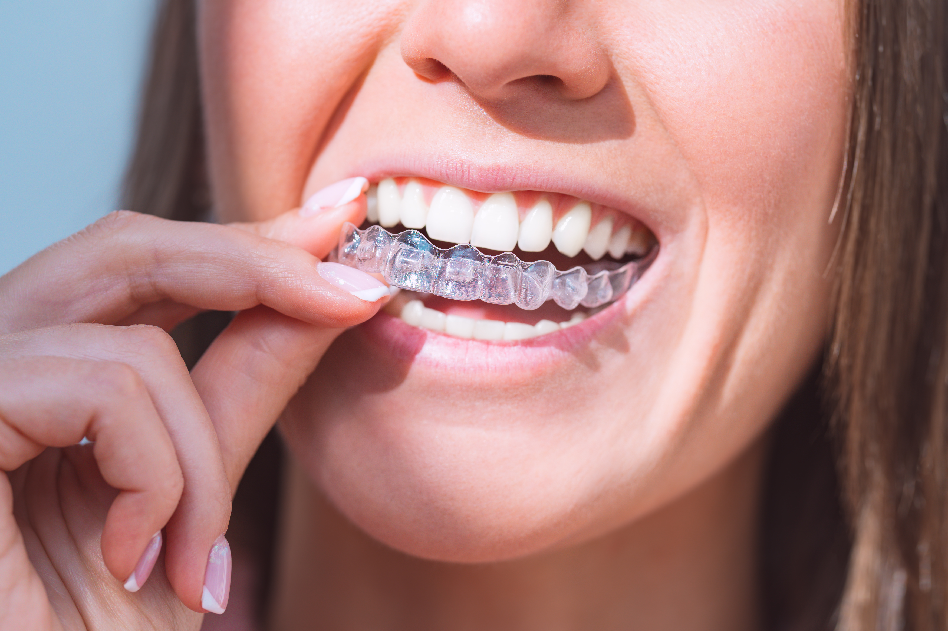

Invisalign has changed the way people straighten their teeth, offering a clear and comfortable alternative to traditional braces. If you’re thinking about Invisalign, one of your first questions might be about the cost, and many people begin by searching for Invisalign near me to explore local options. In this article, we’ll explain what affects the price of Invisalign, compare it to braces, and help you decide if it’s worth the investment.
What Affects the Cost of Invisalign?
Several factors can change how much Invisalign costs:
- Complexity of Your Case
If your teeth need a lot of movement or if you have severe crowding or spacing, treatment may take longer and require more aligners. This can make it more expensive. Simpler cases usually cost less because fewer aligners and less time are needed. - Length of Treatment
Most Invisalign treatments take around 12 to 18 months, though some cases may be shorter or longer. The more aligners your treatment requires, the higher the cost. Still, Invisalign is usually priced similarly to traditional braces. - Experience of the Dentist
A skilled dentist can make a big difference. An experienced provider will carefully plan your treatment to get the best results and avoid problems. Choosing a qualified dentist ensures your treatment goes smoothly and efficiently. - Location
Dental costs can vary depending on where you live. In some areas, Invisalign may be more expensive than in others, but the quality of care is important no matter where you go.
Comparing Invisalign to Traditional Braces
Here’s how Invisalign stacks up against metal braces:
- Appearance: Invisalign is clear and almost invisible, making it appealing for teens and adults. Braces are noticeable and may cause some self-consciousness.
- Comfort: Invisalign aligners are smooth plastic, so they are less likely to irritate your gums and cheeks. Braces can be uncomfortable, especially after adjustments.
- Convenience: Invisalign aligners can be taken out while eating, drinking, brushing, and flossing. Braces require avoiding certain foods, and cleaning around wires and brackets can be tricky.
- Cost and Value: Costs are often similar, but many people find Invisalign worth it for the comfort, appearance, and easier care. It may also require fewer office visits, saving time.
Financing and Insurance
Many dental offices offer payment plans to make Invisalign more affordable. Some dental insurance plans may cover part of the cost, just like they do for braces. It’s a good idea to check with your dentist’s office and your insurance provider.
Long-Term Benefits of Invisalign
Invisalign does more than improve your smile. Aligned teeth are easier to brush and floss, helping lower the risk of cavities and gum problems. A proper bite can also prevent jaw problems. Beyond health, a straighter smile can increase confidence in social and professional life.
Is Invisalign Worth It?
While Invisalign can be an investment, the benefits for your dental health and self-confidence often make it worthwhile. A healthy, straight smile can last a lifetime and improve your overall quality of life.
