

Understanding When Cataracts Begin Affecting Vision, Safety, and Quality of Life.
Vision changes are often considered a natural part of aging, but some changes should not simply be accepted as unavoidable inconveniences. Cataracts are among the most common age-related eye conditions, affecting millions of Americans each year. While cataracts typically develop gradually, they can eventually interfere with daily activities, reduce independence, and significantly impact overall quality of life.
Many people assume cataract surgery should only be considered when vision becomes destitute. However, modern cataract treatment focuses less on waiting for cataracts to “mature” and more on determining when vision changes begin affecting a person’s ability to perform important daily tasks comfortably and safely.
Understanding the signs that cataracts are progressing can help individuals seek timely evaluation and explore treatment options before vision impairment becomes severe. Early conversations with an ophthalmologist allow patients to make informed decisions about preserving their vision and maintaining an active lifestyle.
At Anaheim Eye Institute, patients receive comprehensive cataract evaluations and personalized treatment recommendations designed to support long-term visual health. Using advanced diagnostic technology and experienced surgical care, the institute helps individuals decide when cataract surgery is the best option.
“Cataract surgery is not about reaching a specific number on an eye chart-it’s about restoring the quality of life that vision changes may gradually take away.”
Understanding Cataracts and How They Affect Vision
A cataract occurs when the eye’s natural lens becomes cloudy. The lens, located behind the iris and pupil, plays an essential role in focusing light onto the retina to produce clear vision. As proteins within the lens begin to break down and clump together over time, the lens gradually loses its transparency.
Cataracts commonly develop as part of the natural aging process, although other factors can contribute to their formation, including:
- Diabetes
- Smoking
- Excessive ultraviolet (UV) exposure
- Long-term corticosteroid use
- Previous eye injuries
- Certain medical conditions
- Family history of cataracts
Because cataracts often progress slowly, many individuals initially adapt to subtle vision changes and do not realize how significantly their eyesight has been affected.
Common early symptoms include:
- Blurry or cloudy vision
- Increased sensitivity to glare
- Difficulty seeing at night
- Faded or yellowed colors
- Frequent changes in eyeglass prescriptions
- Halos around lights
- Double vision in one eye
While updated eyeglass prescriptions may temporarily improve vision during the early stages, cataracts continue to progress over time. Eventually, corrective lenses alone may no longer provide adequate visual clarity.
Daily Activities Become Increasingly Difficult
One of the clearest indicators that cataract surgery may be appropriate is when vision problems begin interfering with everyday activities.
Many patients report difficulty with tasks they once completed easily, including:
Reading and Close-Up Work
Books, newspapers, digital screens, and medication labels may become increasingly difficult to see clearly despite updated prescriptions.
Driving, Especially at Night
Glare from headlights, reduced contrast sensitivity, and difficulty recognizing road signs can make driving more stressful and potentially unsafe.
Watching Television
Images may appear dull, blurry, or less detailed than before.
Recognizing Faces
Subtle facial expressions and distant details may become harder to distinguish.
Hobbies and Recreational Activities
Activities such as sewing, golfing, cooking, woodworking, or gardening may become more challenging due to diminished visual clarity.
When vision changes begin limiting independence or reducing participation in enjoyable activities, it may be time to discuss surgical options with an eye specialist.
Cataract surgery aims to restore functional vision that supports daily living rather than simply achieving a specific visual measurement.
Increased Difficulty Driving at Night
For many patients, nighttime driving becomes one of the first major concerns associated with cataracts.
The clouding of the lens scatters incoming light, creating visual disturbances that can significantly impair driving performance after dark.
Common nighttime driving symptoms include:
- Glare from headlights
- Halos around streetlights
- Increased sensitivity to bright lights
- Reduced contrast sensitivity
- Difficulty judging distances
- Trouble identifying pedestrians or obstacles
These challenges may cause individuals to avoid driving at night altogether or feel anxious behind the wheel.
Safety should always be a priority. If cataracts are affecting confidence while driving or increasing concerns about reaction times and visibility, a comprehensive eye evaluation is warranted.
Many patients experience significant improvements in night vision following cataract surgery, allowing them to regain independence and confidence.
“When cataracts begin affecting your ability to drive safely, they may also be affecting many other aspects of your daily life.”
Frequent Prescription Changes No Longer Improve Vision
Another sign that cataract surgery may be appropriate occurs when frequent updates to eyeglasses or contact lenses fail to provide meaningful improvements.
In the early stages of cataract development, prescription changes can often compensate for shifts in visual clarity. However, as cataracts progress, the clouding within the lens itself becomes the primary source of vision impairment.
Patients may notice:
- Repeated prescription adjustments with limited benefit
- Persistent blurry vision despite new glasses
- Difficulty achieving clear vision at multiple distances
- Reduced satisfaction with corrective lenses
At this stage, continuing to rely solely on prescription updates may no longer address the underlying issue.
A comprehensive eye examination can help determine whether cataracts are responsible for ongoing visual difficulties and whether surgical intervention should be considered.
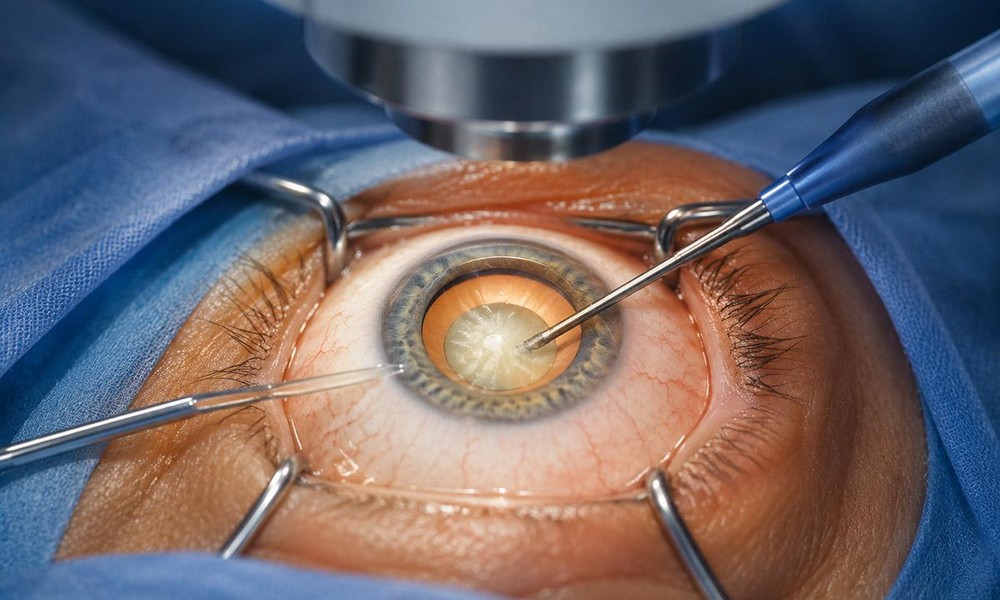
Modern cataract surgery involves removing the clouded natural lens and replacing it with an artificial intraocular lens (IOL), providing an opportunity to improve vision significantly.
Vision Changes Affect Safety and Quality of Life
While visual acuity measurements are important, they do not always fully capture how cataracts impact daily experiences.
Many patients function reasonably well during eye exams but struggle significantly in real-world situations involving:
- Dim lighting conditions
- Complex visual environments
- Driving scenarios
- Mobility in unfamiliar settings
- Social interactions
Vision impairment can contribute to:
Increased Fall Risk
Difficulty judging depth and identifying hazards may increase the likelihood of accidents.
Reduced Independence
Avoiding driving or relying on others for assistance can affect autonomy.
Social Withdrawal
Challenges recognizing faces or participating in activities may lead to decreased social engagement.
Emotional Frustration
Persistent visual limitations often contribute to anxiety and diminished confidence.
The decision to pursue cataract surgery is highly individualized. If vision changes are interfering with safety, independence, or enjoyment of life, surgery may offer meaningful benefits.
Importantly, cataract surgery is one of the most commonly performed and successful surgical procedures worldwide.
Understanding Modern Cataract Surgery Options
Advancements in cataract surgery have transformed the patient experience significantly over recent decades.
Today’s procedures are typically the following:
- Performed on an outpatient basis
- Completed within a relatively short timeframe
- Conducted using local anesthesia
- Associated with rapid recovery periods
- Highly effective in improving vision
Additionally, various intraocular lens options allow treatment to be tailored to individual lifestyle needs.
Depending on candidacy and visual goals, patients may discuss lenses designed to address the following:
- Distance vision
- Astigmatism correction
- Reduced dependence on reading glasses
- Enhanced range of vision at multiple distances
An experienced ophthalmologist can help determine which options align best with each patient’s unique needs and expectations.
Early consultation provides an opportunity to understand available technologies and make informed decisions about future care.
Frequently Asked Questions
How do I know when it’s time for cataract surgery?
Cataract surgery may be appropriate when vision changes interfere with daily activities, driving, reading, hobbies, or overall quality of life.
Do cataracts have to become severe before surgery?
No. Modern cataract treatment focuses on functional vision and patient needs rather than waiting for cataracts to fully mature.
Is cataract surgery safe?
Cataract surgery is considered one of the safest and most commonly performed procedures worldwide, with high success rates.
Will new glasses improve cataract symptoms?
In early stages, updated prescriptions may help temporarily. However, advancing cataracts often require surgical treatment to restore vision.
Can cataract surgery correct astigmatism?
Certain intraocular lens options may help address astigmatism and reduce dependence on corrective eyewear.
Restore Clear Vision With Anaheim Eye Institute
Cataracts can gradually affect your ability to enjoy everyday activities, maintain independence, and feel confident in your vision. Recognizing the signs early allows you to explore treatment options before visual limitations significantly impact your quality of life.
At Anaheim Eye Institute, experienced ophthalmologists provide comprehensive cataract evaluations and advanced surgical solutions tailored to each patient’s individual needs. Through compassionate care and state-of-the-art technology, the team helps patients achieve clearer vision and improved quality of life.
If cataracts are beginning to interfere with your daily activities or visual comfort, schedule a consultation with Anaheim Eye Institute to learn whether cataract surgery may be the right option for you.
