
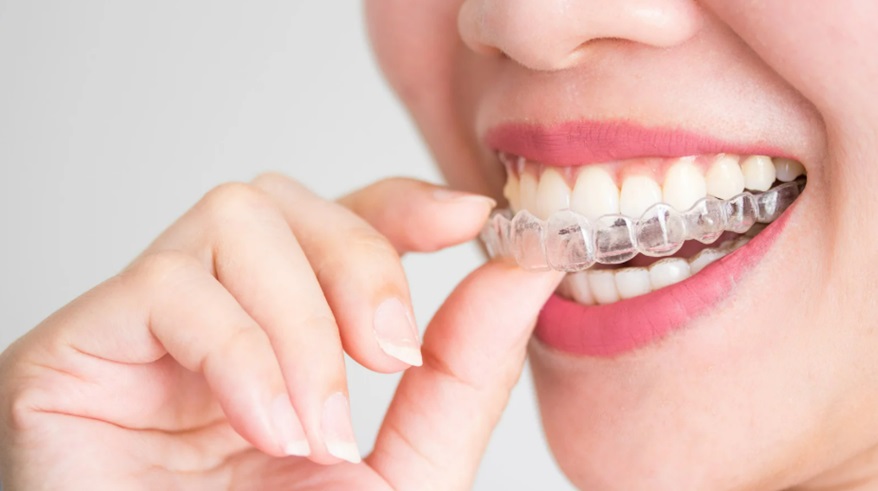

Many people associate Invisalign solely with cosmetic improvements, such as achieving a straighter smile. However, Invisalign offers more than just aesthetic benefits; it plays a valuable role in improving long-term oral health. In recent years, services for Invisalign in Kendall have gained popularity not just for convenience and appearance but for their contribution to a healthier mouth overall. Clear aligners can prevent common dental problems, support easier hygiene routines, and reduce oral discomfort linked to misalignment.
Better Hygiene, Less Plaque Buildup
Crooked or overcrowded teeth can create tight spaces that are difficult to clean with regular brushing and flossing. Over time, these areas become breeding grounds for plaque and bacteria. Invisalign gradually realigns your teeth, which helps eliminate hard-to-reach pockets where plaque tends to collect. With improved spacing, patients can maintain cleaner teeth and gums more effectively, reducing the risk of cavities and periodontal disease.
Reduced Wear and Tear on Teeth
When teeth are misaligned, it often causes uneven pressure during biting or chewing. This imbalance may lead to premature enamel wear, cracks, or even jaw discomfort. By correcting the alignment, Invisalign helps distribute bite forces more evenly, protecting the structure of your teeth and supporting better function over time.
Enhanced Comfort and Food Awareness
Another often overlooked benefit of Invisalign is the lifestyle shift it encourages. Many users ask what they can eat during Invisalign treatment since the aligners must be removed while eating. This temporary removal promotes more mindful eating habits and reduces frequent snacking, habits that can benefit both oral and general health. Patients also become more aware of how their diet affects oral hygiene, often cutting down on sugary or sticky foods that lead to decay.
Improved Gum Health and Jaw Alignment
Straight teeth not only look good but also support healthier gums. When teeth are properly spaced, gums can fit more securely around each tooth, creating a strong barrier against bacteria. Invisalign reduces the likelihood of gum irritation and inflammation caused by overlapping teeth. In addition, aligners contribute to improved jaw alignment, which can alleviate discomfort associated with TMJ disorders and muscle strain in the jaw or neck.
Preventative Dental Support
Many people overlook the fact that orthodontic issues often lead to secondary dental problems. Crowded teeth can increase the risk of gum infections, while bite issues may trigger headaches or tooth sensitivity. By addressing these problems early with Invisalign, patients prevent further complications. Understanding how often you should visit the dentist is key to maximizing the results of your Invisalign treatment, as regular checkups help monitor your progress and catch minor issues before they worsen.
Convenience and Motivation to Maintain Oral Health
Unlike traditional braces, Invisalign aligners are removable, allowing for regular brushing and flossing without interference. This ease of access supports better hygiene habits. Furthermore, the visible progress of straighter teeth can motivate patients to maintain a healthier lifestyle overall, including consistent dental visits and dietary awareness.
Conclusion
Invisalign goes beyond cosmetic improvement to support lasting oral health benefits. From reducing plaque buildup and correcting bite imbalances to promoting better hygiene and mindful eating, Invisalign treatment plays a proactive role in keeping your smile strong and healthy.
