
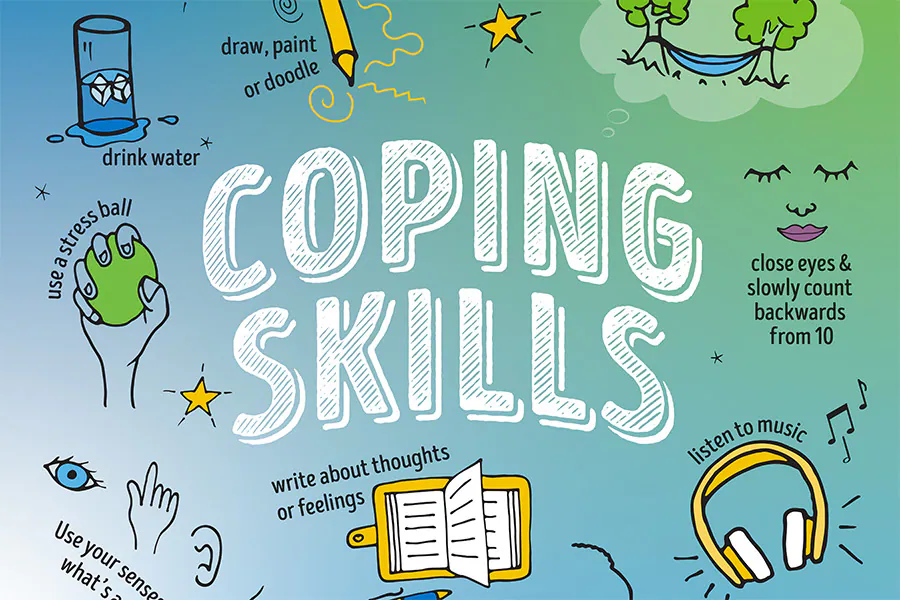

Life is full of challenges. Stress, unexpected changes, and daily responsibilities can weigh heavily on anyone. How we respond to these pressures plays a crucial role in overall health and well-being. Developing healthy coping mechanisms allows individuals to manage stress effectively, maintain balance, and thrive even during difficult times.
Coping mechanisms are strategies we use to handle emotional, mental, or physical stress. Some habits are positive, promoting growth and resilience. Others, like avoidance or harmful behaviors, may provide temporary relief but create bigger problems over time. Identifying and practicing healthy coping skills is essential for long-term wellness.
The Importance of Emotional Awareness
A key part of coping is recognizing emotions. Stress often triggers feelings like frustration, sadness, or anxiety. By acknowledging these emotions rather than ignoring them, individuals can respond thoughtfully. Journaling, mindfulness, and meditation are simple ways to become more aware of emotional states.
For some, accountability in personal habits can also support emotional balance. Soberlink helps create a quiet consistency that reassures family members, allowing trust to slowly rebuild without pressure or confrontation. While primarily known for monitoring progress, Soberlink also encourages self-reflection and responsibility, which strengthens emotional resilience.
Physical Strategies for Stress Relief
The body and mind are closely connected. Physical activity is one of the most effective ways to reduce stress. Exercise releases endorphins, which improve mood and energy levels. Even a short walk, stretching, or yoga session can calm the nervous system.
Nutrition also affects how well we cope. Balanced meals, regular hydration, and limiting excessive sugar or caffeine can stabilize mood and improve focus. Adequate sleep is equally important, as fatigue makes it harder to manage challenges calmly and effectively.
Cognitive Approaches
How we think about stress influences how we handle it. Cognitive strategies involve reframing negative thoughts into more constructive perspectives. Instead of thinking, “I can’t handle this,” try, “I will take it one step at a time.”
Problem-solving skills are another cognitive approach. Breaking challenges into smaller, manageable tasks reduces overwhelm. Planning, prioritizing, and setting realistic goals empower individuals to regain a sense of control.
Social Support and Connection
Humans are social beings. Emotional support from friends, family, or mentors provides reassurance during stressful periods. Talking openly about challenges helps relieve tension and can offer new perspectives.
Participating in group activities or community programs also builds a sense of belonging. Social connection reinforces coping mechanisms and encourages accountability, fostering both emotional and practical support.
Mindfulness and Relaxation Techniques
Mindfulness teaches individuals to focus on the present moment without judgment. Breathing exercises, guided meditation, and body scans are practical ways to cultivate mindfulness. These practices reduce anxiety, improve concentration, and promote overall emotional regulation.
Relaxation techniques such as progressive muscle relaxation or listening to calming music can further ease stress. Consistent practice strengthens the ability to stay centered even during high-pressure situations.
Creative Outlets
Expressing emotions creatively is another healthy coping mechanism. Writing, painting, music, or other artistic activities allow individuals to process complex feelings. Creativity transforms stress into constructive expression and encourages self-discovery.
Engaging in hobbies also provides mental breaks from routine challenges. These moments of enjoyment and achievement enhance resilience and overall life satisfaction.
Developing Long-Term Resilience
Healthy coping is a lifelong practice. It requires regular attention and adaptation to new situations. Developing routines that incorporate exercise, mindfulness, social connection, and creative expression builds resilience over time.
Consistency is key. Small, daily habits often create a greater impact than occasional large efforts. By integrating coping mechanisms into everyday life, individuals strengthen their ability to handle stress without resorting to harmful behaviors.
Conclusion
Finding balance in everyday challenges is not about avoiding stress—it is about responding to it effectively. Healthy coping mechanisms, including emotional awareness, physical activity, cognitive strategies, and social connection, provide a strong foundation for mental and physical well-being.
Incorporating structured accountability, such as through Soberlink, can further enhance personal growth and self-discipline. While technology alone cannot solve challenges, it can support habits that strengthen resilience and emotional stability.
By practicing healthy coping strategies consistently, individuals can navigate life’s difficulties with greater calm, confidence, and balance. These approaches not only reduce stress but also improve overall quality of life, fostering lasting wellness and emotional strength.
