
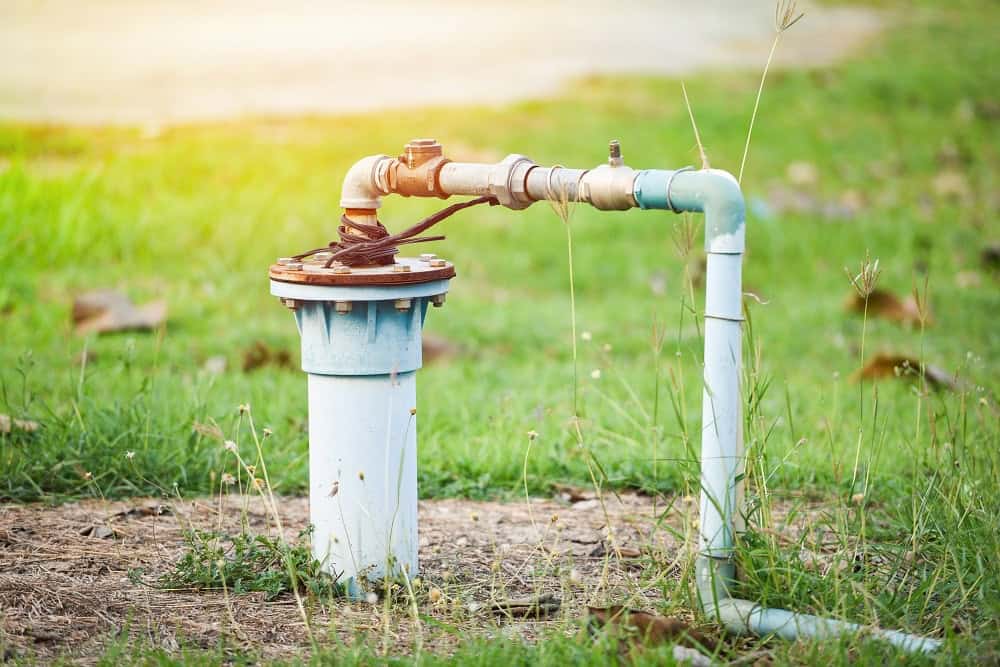

Residential wells are a crucial source of water for many households. However, while well water can be pure and refreshing, it is vulnerable to various contaminants that may compromise water quality. Understanding common water quality issues and how laboratories like Joiner Micro Lab adeptly identify them is essential for maintaining safe and healthy water in homes.
Understanding Water Quality Challenges in Residential Wells
Residential wells are unique in that they’re directly tapped into groundwater sources, making them susceptible to a range of environmental factors. Unlike municipal water systems, well water is not treated or regulated by public bodies, placing the onus on homeowners to ensure water safety. Identifying potential hazards early is vital to prevent health complications and safeguard property infrastructure.
Common Contaminants in Well Water
The quality of water from residential wells can be impacted by both natural and human-made sources. Some pervading contaminants include:
- Bacteria and Viruses: Pathogenic microorganisms such as E. coli, coliform bacteria, and viruses are among the most concerning contaminants in well water. They typically enter wells due to nearby septic systems, animal waste, and surface water intrusion.
- Nitrate: Commonly resulting from agricultural runoff, nitrates are particularly concerning for infants and pregnant women as they can interfere with the blood’s ability to carry oxygen.
- Heavy Metals: Metals like lead, arsenic, and mercury can leach into well water from natural deposits or industrial activities, posing severe health risks over prolonged exposure.
- Chemical Contaminants: Pesticides and industrial chemicals can enter groundwater through surface runoff or soil seepage, leading to contamination.
- Hard Water Minerals: High concentrations of calcium and magnesium lead to hard water, causing scaling in pipes and affecting the efficiency of soaps and detergents.
Potential Health Implications
The presence of contaminants in well water can lead to various health implications ranging from mild gastrointestinal discomfort to severe conditions like kidney failure, cancer, and neurological disorders. Prolonged exposure to substances like arsenic is linked with cancers and skin disorders, underscoring the necessity for regular well water testing.
How Labs Identify Water Quality Issues
Water testing laboratories like Joiner Micro Lab employ sophisticated techniques and state-of-the-art equipment to detect contaminants in residential water wells. These labs provide critical insights into water safety, helping homeowners take necessary corrective measures.
Comprehensive Testing Procedures
Joiner Micro Lab offers a range of tailored testing services designed to meet the specific needs of residential wells. The testing encompasses the detection of microbiological, chemical, and heavy metal pollutants. Some key tests include:
- Microbiological Testing: This test involves culturing samples to identify harmful bacteria and viruses present in water.
- Chemical Analysis: Techniques like chromatography and spectroscopy are employed to identify and quantify chemical substances, including nitrates and pesticides.
- Heavy Metal Testing: Advanced methods like mass spectrometry detect trace levels of metals such as lead and arsenic.
State-of-the-Art Equipment
Joiner Micro Lab uses cutting-edge technology to ensure accuracy and reliability in results. Equipment like gas chromatographs, inductively coupled plasma mass spectrometers, and other advanced analyzers play a pivotal role in comprehensive water quality assessments.
Role of Certified Water Testing Laboratories
The role of certified laboratories in ensuring the safety of residential well water cannot be overstated. Laboratories such as Joiner Micro Lab are certified by relevant authorities, ensuring they adhere to standardized procedures that guarantee precision and reliability.
Joiner Micro Lab: The Residential Well Water Testing Partner
Joiner Micro Lab has consistently proven to be a leader in water quality testing. By offering customized solutions and leveraging the latest in scientific advancements, they help ensure that residential water wells are both safe and reliable. Homeowners can trust Joiner Micro Lab to provide clear and actionable water quality reports that guide necessary water treatment solutions.
For more information on how Joiner Micro Lab identifies and addresses common water quality issues in residential wells, their website, Joiner Micro Lab, provides extensive resources and insights.
Ultimately, consistent water quality monitoring and professional testing are imperative for protecting health and peace of mind. Choosing a reputable lab ensures that any potential issues are quickly identified and addressed, safeguarding families and homes from the risks associated with poor water quality.
