
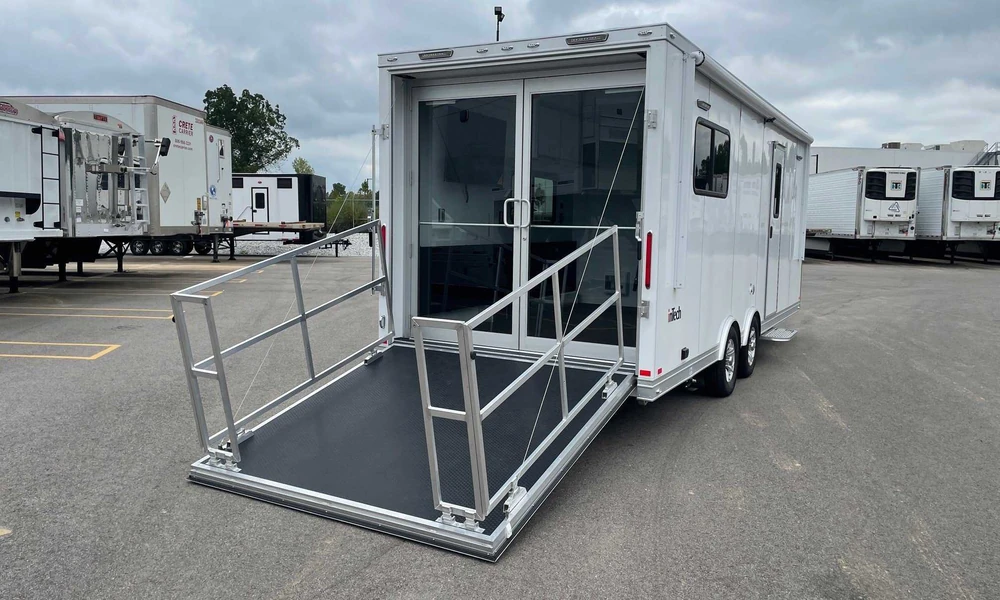

Medical trailer units have become an effective solution for delivering healthcare services in locations where permanent facilities may not be practical or immediately available. They are commonly used for community health programs, occupational health services, emergency response, vaccination campaigns, and rural healthcare outreach. To provide safe and efficient patient care, every medical trailer should be designed with functionality, durability, and flexibility in mind. Careful planning during the design stage helps create a mobile healthcare environment that supports both medical professionals and patients.
To fully realize the potential of these mobile clinics, healthcare providers and developers must look beyond basic vehicle modifications and delve into the specialized requirements of mobile care. By reviewing comprehensive Medical Trailer Units Insights, planning teams can identify proven strategies and industry best practices that directly impact day-to-day operations. Applying this deeper understanding ensures that the final build not only meets rigorous clinical standards but also strategically optimizes the limited footprint before moving into the specific design phases.
Plan an Efficient Interior Layout
A well-designed interior is essential for the efficient day-to-day use of a medical trailer. Examination areas, storage spaces, workstations, and waiting areas should be arranged to support smooth movement while making the best use of available space.
A practical layout reduces unnecessary walking, improves workflow, and helps healthcare professionals perform their duties more efficiently.
Provide Adequate Storage
Medical trailers require organized storage for supplies, equipment, medications, and personal protective items. Storage systems should keep materials secure during transportation while allowing staff to access them quickly when needed.
Useful storage solutions include:
- Lockable cabinets
- Medical supply drawers
- Shelving units
- Dedicated equipment compartments
Organized storage helps maintain a clean and efficient clinical environment.
Ensure Reliable Utility Systems
Medical services depend on dependable utility systems. Electrical power, lighting, climate control, water supply, and waste management should all be carefully planned during the design process.
Backup power options can also improve operational reliability if external utilities become unavailable.
Select Durable Construction Materials
Medical trailer units experience frequent transportation and continuous use. Choosing durable materials helps protect the structure from daily wear while supporting long-term performance.
Materials should also be easy to clean, resistant to moisture, and suitable for maintaining hygienic healthcare environments.
Prioritize Patient Comfort
A comfortable environment helps improve the patient experience. Proper lighting, ventilation, temperature control, and comfortable seating contribute to a welcoming healthcare setting.
Accessible entryways and sufficient interior space also make the trailer more convenient for patients with different mobility needs.
Support Healthcare Staff Efficiency
Medical professionals require workspaces that allow them to perform examinations, document patient information, and access equipment without unnecessary delays.
Well-positioned workstations and organized equipment placement help reduce interruptions during patient care.
Incorporate Safety Features
Safety should be included in every aspect of the trailer’s design. Secure equipment mounting, slip-resistant flooring, emergency exits, and properly organized electrical systems all contribute to a safer healthcare environment.
Routine inspections and regular maintenance further support safe daily operations.
Allow for Future Adaptability
Healthcare needs often change over time. Designing the trailer with flexibility allows additional equipment, updated technology, or new medical services to be incorporated without extensive modifications.
Adaptable designs help extend the useful life of the medical trailer while supporting evolving healthcare requirements.
