

The Modern Fitness Dilemma
In today’s fitness-centric world, individuals are presented with an array of workout options, each promising unique benefits. Among the most popular choices are traditional gyms, which feature rows of machines and free weights, and the increasingly favored indoor climbing facilities like Vertical Rock. The question that arises is which of these options provides better results. This article delves into the distinct advantages and potential drawbacks of both indoor climbing and traditional gyms, offering insights to help fitness enthusiasts make an informed decision.
Understanding Traditional Gyms
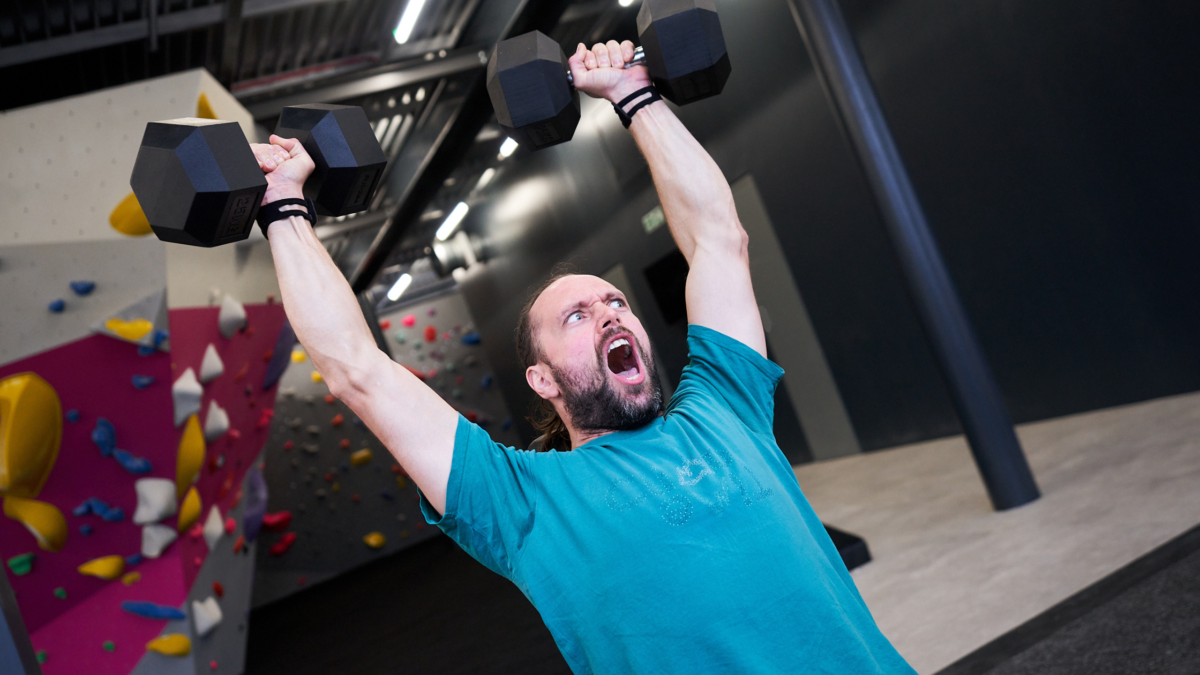
Traditional gyms have long been the cornerstone of fitness routines. They offer a structured environment where individuals can focus on cardiovascular and strength training exercises. Equipment such as treadmills, ellipticals, and free weights allow for targeted muscle group training. While traditional gyms provide a comprehensive range of workout possibilities, they often lack excitement, which can lead to monotony. Additionally, users may become entangled in repetitive routines without engaging in full-body workouts.
Benefits of Traditional Gyms
Traditional gyms come with their own set of benefits. They offer predictable environments for those who prefer structure and routine. Weight training can effectively enhance muscle mass and strength, while cardio equipment supports endurance development. The availability of personal trainers in many gyms also allows members to receive personalized workout guidance.
Drawbacks of Traditional Gyms
Despite their benefits, traditional gyms can be associated with drawbacks like lack of variety and motivation over time. Many individuals find themselves plateauing in their fitness journeys due to repetitive exercises. Furthermore, the focus is often on isolated muscle groups rather than holistic fitness. The atmosphere in a gym can become uninspiring, especially during busy hours when waiting for equipment becomes inevitable.
The Rise of Indoor Climbing
Indoor climbing has emerged as an exhilarating alternative to traditional gym workouts. Facilities like Vertical Rock provide climbing experiences for individuals of all skill levels. Indoor climbing offers a unique full-body workout that requires both physical and mental engagement. Climbers develop strength, flexibility, and problem-solving skills as they navigate intricate routes.
Advantages of Indoor Climbing
Indoor climbing stands out as a complete package for fitness enthusiasts. It involves a range of physical activities such as bouldering, top-roping, and lead climbing, ensuring a well-rounded and dynamic workout. Vertical Rock’s indoor climbing facilities allow participants to engage in cardiovascular exercise, build strength, and improve flexibility all in a single session. Compared to traditional gyms, indoor climbing introduces an element of adventure that keeps participants motivated and eager to progress.
Why Indoor Climbing with Vertical Rock?
Vertical Rock sets itself apart through its commitment to providing a superior climbing experience. Offering various walls and routes, climbers can continually challenge themselves. Their programs are designed to cater to both beginners and advanced climbers, fostering a community of support and encouragement. With expert staff and a focus on safety, Vertical Rock ensures that climbers of all ages can enjoy the benefits of indoor climbing.
Learn more about the unique offerings at Vertical Rock by visiting their official website.
Comparing Results: Which Delivers More?
When considering results, both traditional gyms and indoor climbing provide substantial benefits. However, the nature of body engagement in climbing often yields comprehensive fitness improvements. Climbers engage their core, develop grip strength, and enhance balance. Problem-solving and concentration required in climbing improve mental resilience, a benefit not commonly associated with traditional gym workouts.
For those who thrive in dynamic environments, climbing offers a refreshing alternative. Vertical Rock offers an environment where fitness goals can be achieved through exploration and adventure, providing a contrast to the routine-based approach of traditional gyms. With climbing, participants rarely face the plateau effect as the challenge evolves with skill advancement.
Choosing Your Ideal Workout
The choice between indoor climbing and traditional gym workouts can be influenced by personal preferences and fitness goals. Those seeking structure, specific muscle group workouts, or a more controlled environment might find traditional gyms suitable. However, individuals looking for a full-body workout that challenges both body and mind may prefer the invigorating nature of indoor climbing.
Vertical Rock, located in Virginia, stands as a prime example of what indoor climbing can offer. More information about its facilities and programs can be found at their website. The combination of physical challenge and community makes indoor climbing a compelling choice for many fitness enthusiasts.
Embracing Variety in Fitness
Diversifying workout routines can have profound effects on overall fitness and personal well-being. It prevents monotony, keeps motivation high, and sets the stage for continuous improvement. Whether one chooses traditional gyms or indoor climbing, the goal is to find a sustainable and enjoyable way to remain active.
For those intrigued by the idea of climbing, Vertical Rock provides a welcoming environment to try something new. With expertly crafted routes and a supportive community, participants can embrace the challenge of indoor climbing. Visit their website to discover how Vertical Rock can be the perfect solution for those seeking motivation and results beyond the traditional gym offerings.
