
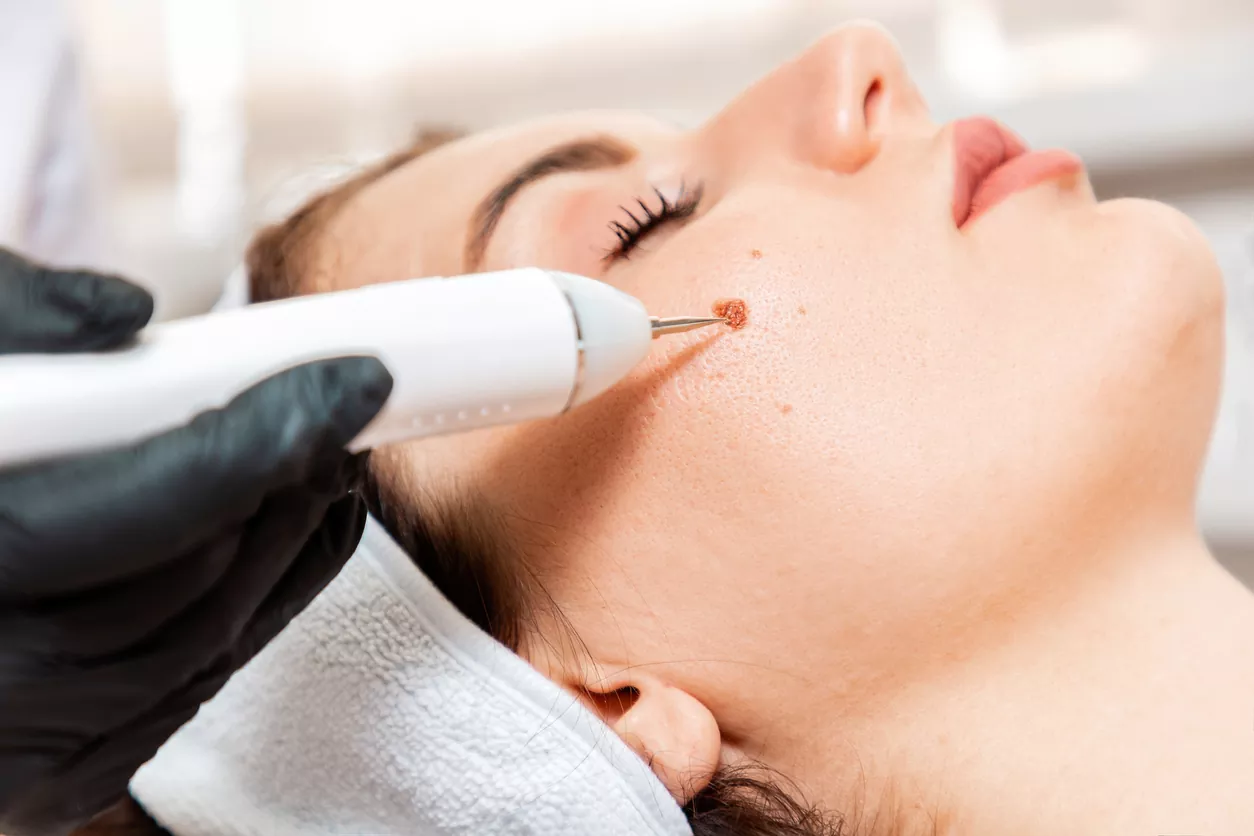

There are several treatments available. Each works differently and may be suitable for different cases. Available in pharmacies as liquids or patches. Slowly peels off the wart layer by layer. Works best on small warts but requires daily use for weeks.
激光脫疣 Effective but may leave scars. Usually used for large or stubborn warts. Quick but sometimes painful and may scar. Uses a focused laser beam to destroy the wart tissue. Highly precise, fast, and effective. Works well for stubborn warts and sensitive areas.
What Are Warts and Why Do They Appear?
Healing 脫疣 A small scab forms and falls off naturally. Precision Targets only the wart. Speed Treatment takes just a few minutes. Lower infection risk The laser sterilizes the area. Effective Especially useful for deep or resistant warts. Minimal scarring Much less compared to cutting or burning.
How They Spread
Not all warts look the same. Here are the most common ones:
- Common warts – Usually appear on the hands and fingers, rough and raised.
- Flat warts – Small, smooth, and flat-topped. They often appear on the face or legs.
Who Gets Them?
Small scab during healing Laser removal is a good choice if: You have warts that keep coming back. Laser Wart Removal: Everything You Need to Know About Saying Goodbye to Warts
Warts are one of those skin problems that seem small but can be very annoying.
They can show up on your hands, feet, face, or even more sensitive areas, and they don’t always disappear quickly. Many warts are removed in one session. Resistant warts may need more.
疣 Salicylic acid: Found in gels, patches, or liquids. Slowly peels off the wart layer by layer. Works best on small warts but takes weeks of daily use.
Usually done for very large or stubborn warts but may scar. Laser wart removal: Uses laser light to destroy the wart tissue with precision. Effective for resistant warts and areas where scarring must be avoided.
What Exactly Are Warts?
Among all options, laser wart removal has gained attention as one of the most advanced choices. This article will explain what warts are, why they appear, the available removal methods, and why lasers may be the best solution for many people.
Key things to know:
Warts can spread to other areas. Reduced infection risk The heat from the laser sterilizes the area. Minimal scarring Compared to cutting or burning, scarring is less likely. Quick recovery Most people heal in one to two weeks.
Rare cases of slight pigmentation changes You have warts that haven’t responded to other treatments The virus triggers extra skin cell growth, forming a wart. You want faster results and minimal risk of scarring.
Different Kinds of Warts
Not all warts look the same. Here are the main types:
- Common warts – But this may take a very long time—sometimes months or even years.
- Flat warts – Small, smooth, and flat-topped, often appearing on the face, neck, or legs.
- Plantar warts – Grow on the soles of the feet. Because of pressure from walking, they grow inward and may cause pain.
- Filiform warts – Long, thin, and thread-like. Often appear near the mouth, nose, or eyelids.
- Genital warts – Found in the genital area, usually spread by sexual contact.
Do Warts Go Away Without Treatment?
Sometimes the body’s immune system fights off HPV and makes the wart disappear. But this can take a long time sometimes years. During that time, warts may:
Spread to other parts of the body Become painful, especially on the feet Cause embarrassment or discomfort Many warts are removed in one session. Tougher warts may need more. Effective but usually leaves scars.
Options for Removing Warts
Quick procedure: Usually completed in minutes. Laser wart removal is generally safe, but some temporary effects may appear Mild redness or swelling A small scab at the treated site.
Home Treatments
Salicylic acid: Found in gels, patches, or liquids. Slowly peels off the wart layer by layer. Works best on small warts but takes weeks of daily use.
Medical Treatments
Slight tenderness for a few days Rarely, minor skin color changes Most of these side effects disappear within 1–2 weeks. People with stubborn warts that didn’t improve with creams or freezing.
There are several options to remove warts. Each works differently and is suited for different situations. Works best for small warts but requires consistent daily use.
Surgical removal: Cutting the wart out with a scalpel. Usually done for very large or stubborn warts but may scar.
Laser wart removal: Uses laser light to destroy the wart tissue with precision. Effective for resistant warts and areas where scarring must be avoided.
What Is Laser Wart Removal?
Laser wart removal is a modern treatment that uses a strong beam of light to target the wart. The laser’s heat destroys the blood supply feeding the wart and vaporizes the affected tissue.
How the procedure works:
- Consultation – A doctor examines the wart to confirm it’s safe for laser removal.
- Numbing – A cream or injection is used to make the area comfortable.
- Laser treatment – Consultation The doctor checks your skin and wart type.
- Healing – A small scab forms, which falls off as the skin repairs itself.
Why Choose Laser Wart Removal?
A small scab at the treated site:
- Numbing – Local anesthesia cream or injection is applied to keep you comfortable.
- Effective for stubborn warts – Works even when creams or freezing fail.
- Reduced infection risk – The heat from the laser sterilizes the area.
- Minimal scarring – Compared to cutting or burning, scarring is less likely.
- Quick recovery – Most people heal in one to two weeks.
Are There Any Downsides?
- Local anesthesia (cream or injection) is applied.
- A small scab that lasts for a few days
- Rare cases of slight pigmentation changes
- This means new warts can appear later.
Who Is a Good Candidate for Laser Removal?
- Laser wart removal may be right for you if:.
- You have warts that haven’t responded to other treatments.
- Cuts off the wart’s blood supply.
- Kills the virus-infected skin cells.
- You want faster results and minimal risk of scarring
Recovery and Aftercare
- Other people may catch it through contact.
- A small scab forms. It falls off naturally after about 1–2 weeks.
- Benefits of Laser Wart Removal
- This guide explains warts in very simple words.
Can Warts Return After Laser Removal?
Laser wart removal is one of the most modern and advanced options. It works by using concentrated light energy to heat and destroy the wart. This means new warts can appear later.
To lower the risk of recurrence:
- A small scab forms. It falls off naturally after about 1–2 weeks.
- Benefits of Laser Wart Removal
- Laser treatment is popular because it offers many benefits.
- Treat warts early before they spread.
Common warts Rough bumps on fingers or hands. Flat warts Small, smooth bumps, often on face or legs. Plantar warts On the feet. They hurt when walking. Filiform warts Long, thin warts near the nose or mouth.
Anyone can get warts. Children get them often. Teenagers also get them. People with weak immune systems get them more easily.
Do Warts Go Away on Their Own?
Many warts go away in one session. Very precise – only the wart is treated. Some tough warts may need more sessions. However:
- Warts can spread during this time.
- They may cause pain (especially plantar warts).
- They often affect appearance and confidence.
- Because of these reasons, many people prefer active removal.
Common Wart Removal Methods
If you have warts, talk to a doctor. Laser treatment may help you get clear skin again.
Over-the-Counter Treatments
- Effective – works on stubborn warts.
- Works best for small, simple warts.
- Requires daily use for several weeks or months.
- Not always effective for stubborn or deep warts.
Cryotherapy (Freezing)
- Filiform warts Thin and long, often seen around the mouth or eyes.
- Genital warts Appear in the genital area and spread mainly through sexual contact.
- May require multiple sessions.
- The skin is numbed with cream or injection.
- The laser is pointed at the wart.
- The wart is destroyed in minutes.
- Works quickly but can leave small scars.
- Requires local anesthesia.
Surgical Removal
- A doctor cuts out the wart with a scalpel.
- Usually for very large or resistant warts.
- Higher risk of scarring and recurrence.
Laser Wart Removal
- The doctor looks at your wart.
- A numbing cream or injection is used.
Laser Wart Removal: How It Works
- Laser wart removal is a modern and advanced treatment. Here’s how it typically happens.
- Warts are small bumps on the skin. Many people get them. They are not dangerous.
- Local anesthesia Warts are small bumps on the skin. Many people get them.
- Laser treatment The doctor directs the laser beam onto the wart. The light energy heats and destroys the wart tissue.
- Aftercare A small scab forms, which falls off naturally as the skin heals.
Advantages of Laser Removal
- Through small cuts in the skin.
- Anyone can get warts.
- Children and teenagers get them often.
- Virus may stay in the skin.
Possible Side Effects
- The body may fight the virus.
- But this can take months or years.
- While waiting, warts can spread.
- They can hurt or become more.
- That is why many people choose to treat them.
Who Should Consider Laser Wart Removal?
Laser treatment may be a good choice if:
- You want fast results with minimal scarring risk.
- Your warts are painful (like plantar warts).
- Your wart is on the face or other sensitive area.
- You want faster results and minimal recurrence.
You want quick results with little scarring. Aftercare for laser wart removal Use creams or medicine from your doctor. The treated wart usually does not return. There are many treatments. One of the best is laser wart removal. It is quick, safe, and effective.
Aftercare Tips for Laser Wart Removal
- Laser uses a strong light beam.
- The laser burns the wart tissue.
- It cuts off the blood supply.
- It kills the virus-infected skin cells.
Safe lowers infection risk. Less scarring than cutting or burning. You tried creams or freezing and they did not work. Your wart is painful, like plantar warts on the foot.
Can Warts Come Back After Removal?
Warts are small bumps on the skin. Many people get them. Warts can hurt. They can spread. They can look ugly. You can get rid of them safely. Laser wart removal is one of the best ways.
To reduce recurrence:
- Common warts – on fingers, hands, or knees.
- Flat warts – small and flat, on face or legs.
- Plantar warts – on feet, hurt when walking.
- Filiform warts – thin, on face or around mouth.
Conclusion
Numbing cream or injection is applied. Doctor checks the wart. Laser is pointed at the wart. Wart is destroyed in minutes. Numbing cream or injection helps.
You may feel warmth or tingling. Precise – only wart is treated. Effective – works on stubborn warts. Fast – takes just minutes.
Use creams from the doctor. Rare skin color change Safe – lowers infection risk. Effective – works on stubborn warts. only wart is treated.
